Best Juicy Chicken Tenderloin Recipes
Table of Contents
The good news is that tenderloins cook quickly, stay juicy when you treat them right, and can swing from simple skillet dinner to crispy baked tenders with almost no extra effort. So let’s walk through the best ways to make them, season them, and actually get dinner on the table without the usual chaos.
1. Why Chicken Tenderloin Recipes Are a Weeknight Lifesaver
Chicken tenderloins are built for busy nights. They’re smaller than chicken breasts, cook faster than most cuts, and don’t need much help to taste good. That matters when everyone’s hungry and the clock is already pushing past 6 p.m.
What I love most about chicken tenderloin recipes is how family-friendly they are. Kids tend to like the mild flavor, adults can dress them up with sauces or spices, and they work with just about any side we already have hanging around. Rice, pasta, roasted vegetables, mashed potatoes, salad, it all works.
And yes, the 15-minute promise is real, as long as the pan is hot and the pieces aren’t overcrowded. That’s the whole appeal here, simple, dependable dinner with almost no waiting around.

2. What Makes Chicken Tenderloins Different From Chicken Tenders?
This part trips people up all the time, so let’s clear it up. Chicken tenderloins are a specific cut of meat that comes from underneath the breast. They’re naturally tender, slightly smaller, and cook very quickly because they’re thin and lean.
Chicken tenders, on the other hand, usually refers to the prepared, breaded strips you buy frozen or order at a restaurant. Sometimes people use the words interchangeably, but in the kitchen they’re not exactly the same thing. That distinction matters because raw tenderloins need careful timing, while breaded tenders need a different approach.
Here’s the practical takeaway: tenderloins are one of the best cuts if we want juicy results fast. They’re forgiving, but not invincible. Leave them on the heat too long and they dry out, which is why a quick cook and a little attention go a long way.
3. The Ingredients We Need for Juicy 15-Minute Chicken Tenderloins
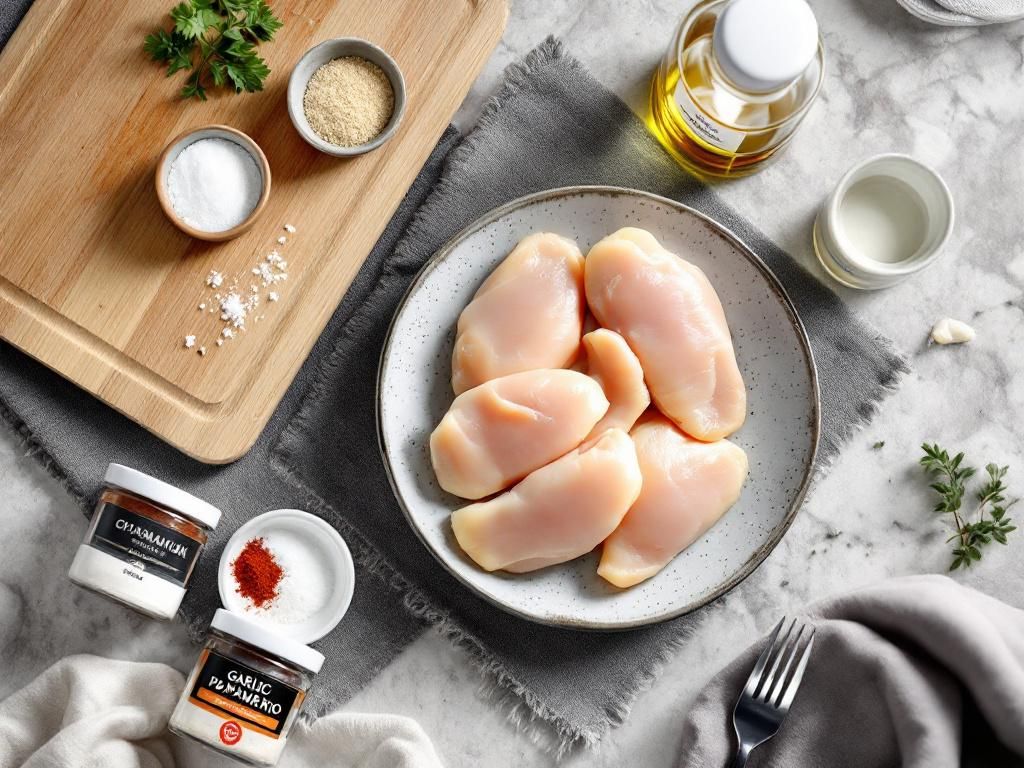
We really do not need much here. That’s part of the charm. For a basic batch, we’re talking chicken tenderloins, oil or butter, salt, pepper, garlic powder, and paprika. If we want a little extra lift, a pinch of onion powder or dried herbs helps too.
Each ingredient has a job. The oil or butter helps with browning and keeps the surface from sticking. Salt wakes up the chicken’s flavor. Pepper adds a little edge. Garlic powder gives us that savory base note without needing fresh garlic, which can burn fast in a hot pan. Paprika brings warmth and color, even if we don’t use a lot of it.
The best part is that most of this is probably already in the kitchen. That’s why chicken tenderloin recipes feel so doable on a random Tuesday, no special shopping trip required.
3.1. Easy Ingredient Swaps and Substitutions
If we’re missing something, don’t stress. Olive oil works well, but avocado oil or canola oil will also do the job. Butter gives a richer flavor, though a mix of butter and oil is great if we want browning without burning too fast.
For seasonings, we can swap paprika for smoked paprika if we want a deeper taste, or add Italian seasoning for a more herby version. If salt needs to be reduced, use a salt-free seasoning blend and finish with a light sprinkle at the table instead. And if garlic powder is out, onion powder can stand in without making the chicken taste bland.
The nice thing is that this recipe isn’t fragile. A little flexibility still gives us a solid dinner.
4. How to Season Chicken Tenderloins for Maximum Flavor
The fastest way to make chicken taste like more than plain chicken is to season it before it hits the pan. A simple dry rub works beautifully because it sticks well and gives us immediate flavor on the outside, where the pan does its best work.
A good base mix usually includes salt, pepper, garlic powder, paprika, and a touch of onion powder. If we want more personality, add dried thyme, Italian seasoning, Cajun seasoning, or lemon pepper. Just don’t overcomplicate it. Chicken tenderloins cook so quickly that a heavy seasoning blend can actually distract from the clean, juicy texture.
If we have 10 extra minutes, a quick marinade can help too. A little olive oil, lemon juice, garlic, and seasoning gives the chicken a brighter flavor. But honestly, for a 15-minute dinner, a dry seasoning mix is usually the smarter move.
5. How to Cook Chicken Tenderloins on the Stove
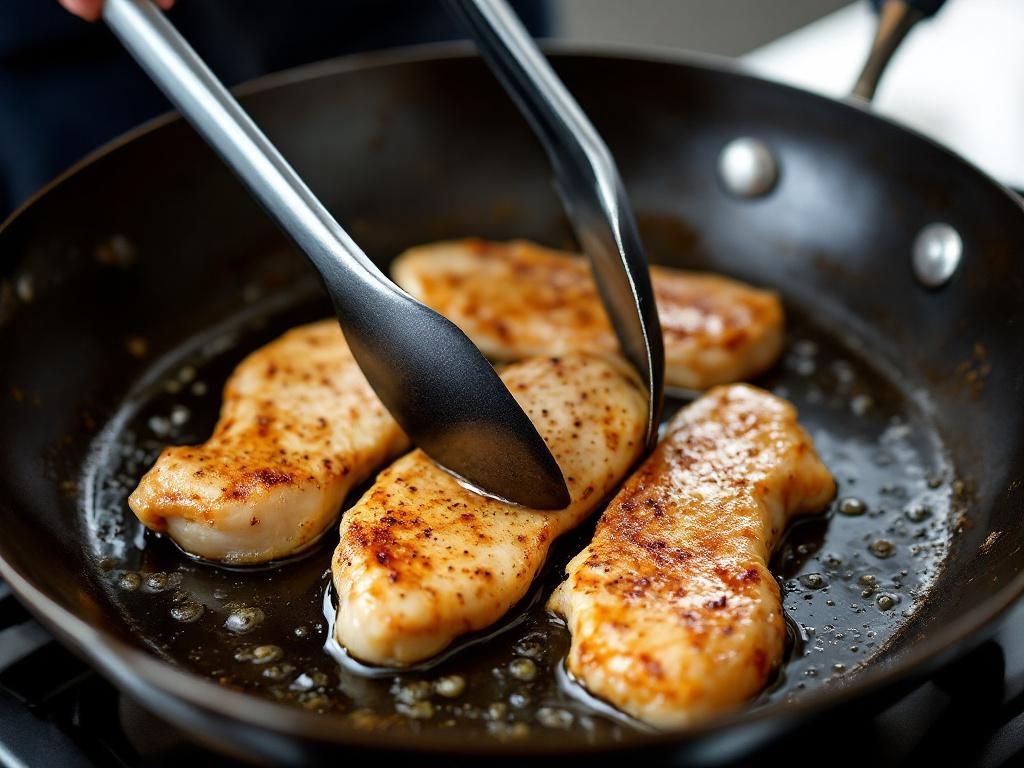
If we’re making the fastest version, the stovetop is the move. Heat a skillet over medium-high, add a little oil, then lay in the tenderloins in a single layer. They should sizzle right away. If they don’t, the pan isn’t hot enough.
Cook for a few minutes on the first side, flip once, and finish until the centers are no longer pink and the edges look lightly golden. Because tenderloins are thin, the whole thing moves quickly. Usually we’re talking just a handful of minutes per side, depending on thickness.
The key is not to fuss with them. Let them sear, flip once, and check for doneness. Constant flipping slows browning and makes it harder to get that nice, savory crust we want.
5.1. The Best Pan, Heat Level, and Oil to Use
A heavy skillet is the best choice here, especially cast iron or stainless steel. Those pans hold heat well, which helps the chicken brown instead of steaming. A flimsy pan can work, but it usually gives less even color.
Medium-high heat is the sweet spot. Too low and the chicken turns pale and rubbery. Too high and the outside cooks before the inside catches up. We want steady, lively heat, not a scorched surface.
As for oil, choose one with a higher smoke point if possible. Avocado oil, canola oil, or light olive oil all work. Butter tastes great, but if the heat runs hot, it can brown too fast. A mix of oil and butter gives us flavor and a little insurance.
6. Bake Chicken Tenders in Oven for an Easy Hands-Off Option
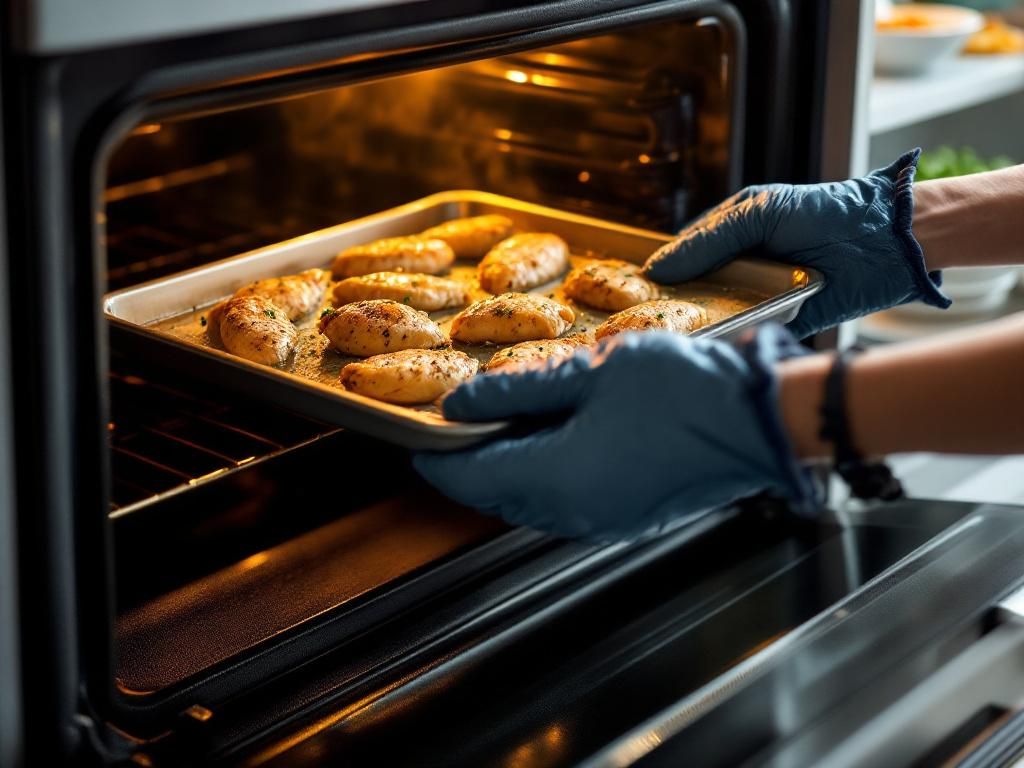
Sometimes we want less stovetop babysitting, and that’s where it makes sense to bake chicken tenders in oven instead. It’s especially handy if we’re cooking a bigger batch or trying to keep the kitchen a little calmer while side dishes finish up.
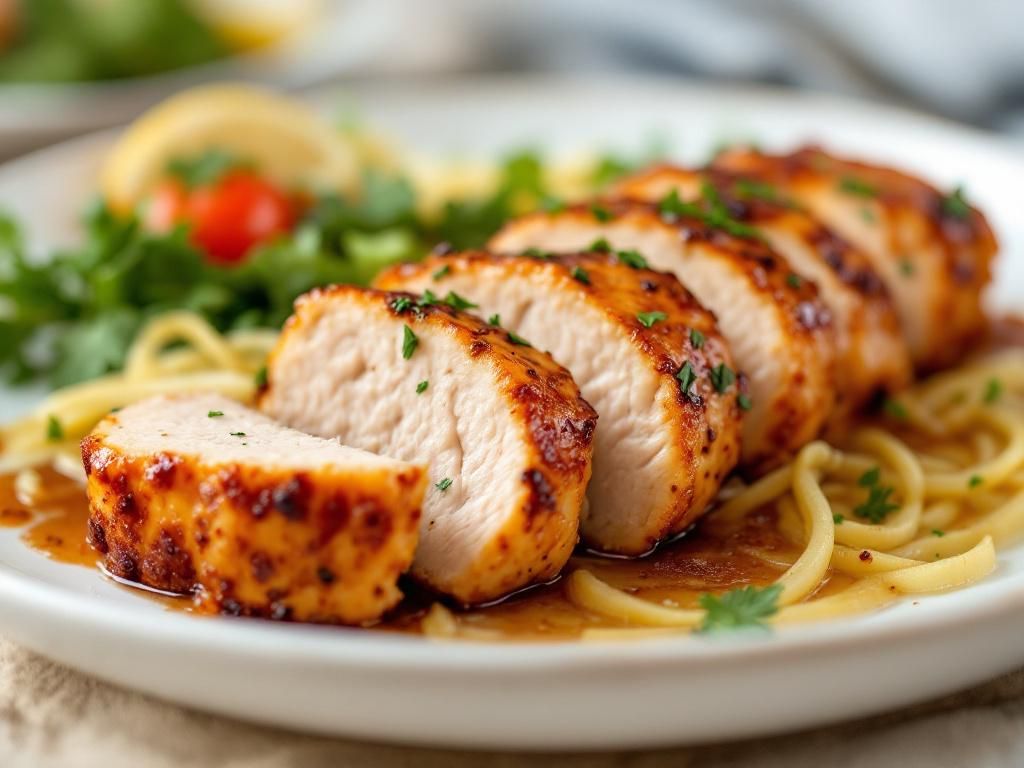
For baked chicken tenders recipes, a hot oven helps the chicken cook quickly without drying out. We can brush the tenderloins with oil, season them well, and bake them on a lined sheet pan. That gives us a cleaner, lower-effort dinner with very little active cooking time.
This method is also great when we’re cooking for picky eaters. We can season half the tray one way and the other half a little differently, which sounds tiny but saves a lot of dinner-table negotiation.
6.1. Baked Chicken Tenderloin Timing and Doneness Tips
Bake chicken tenderloin pieces at a fairly hot temperature so they cook fast and stay moist. The exact time depends on thickness, but tenderloins usually finish in about 12 to 15 minutes in a hot oven, sometimes a touch longer if they’re large.
The best doneness cue is an internal temperature of 165°F in the thickest part. If we don’t use a thermometer, look for opaque meat with no pink in the center and juices that run clear. Still, a thermometer is the easiest way to avoid guesswork and the overcooked chicken that nobody wants.
Pull them from the oven as soon as they’re done, then let them rest for a minute or two. That short pause keeps the juices where they belong.
7. Baked Chicken Tenderloin Variations We Can Make All Week
The fastest way to keep chicken from feeling repetitive is to change the flavor profile, not the whole method. Once we know the basic formula, the variations come together almost automatically.
A baked chicken tenderloin can go in a lot of directions. We can keep it herby, make it a little sweet, lean into spice, or go full comfort-food with cheese and garlic. Same core technique, different mood.
7.1. Garlic Parmesan Chicken Tenderloins
This is the crowd-pleaser. Coat the tenderloins with garlic powder, a little Italian seasoning, and grated parmesan near the end of baking or cooking. The cheese adds a salty, savory finish that makes the chicken taste like we put in way more effort than we actually did.
It works especially well for kids who like familiar flavors. Serve it with pasta or roasted broccoli and dinner basically takes care of itself.
7.2. Lemon Herb Chicken Tenderloins
If we want something brighter, lemon and herbs are the way to go. A little lemon zest or juice, plus thyme, parsley, or oregano, gives the chicken a fresh edge without making it complicated.
This version feels especially nice with rice, asparagus, or a simple salad. It’s light, but not bland, which is a pretty good balance for a weekday meal.
7.3. Honey Garlic Chicken Tenderloins
Sweet-savory is always popular for a reason. Honey garlic chicken tenderloins give us that sticky, takeout-style flavor without having to order anything. A quick glaze made from honey, garlic, soy sauce, and a little butter turns plain chicken into something that feels a bit more fun.
The trick is to add the glaze near the end so it doesn’t burn. Once the chicken is cooked, toss or brush it with the sauce and let it cling to the warm surface. Simple. Very effective.
7.4. Spicy Cajun or Paprika Chicken Tenderloins
For anyone who likes a little heat, Cajun seasoning or extra paprika does the job fast. We don’t need a huge spice pile, just enough to wake up the chicken and make the flavor more interesting.
If we’re cooking for mixed tastes, keep one batch mild and add hot sauce at the table. That way nobody feels left out, and we still get a little punch where we want it.
8. Crispy Fried Chicken Strips Recipe Style: How to Get a Golden Crunch
If we’re craving crunch, we can steer these tenderloins toward a fried chicken strips recipe style without making it a whole project. A light breading and a shallow pan-fry give us that golden exterior people love, while the chicken stays juicy inside.
The key is restraint. We’re not building a thick batter here. We want a crisp coating, not a heavy shell. That means a simple dredge, a hot pan, and enough oil to help the coating turn golden.
This approach feels closest to diner-style chicken strips, which makes it a nice option when we want something a little more fun than plain skillet chicken.
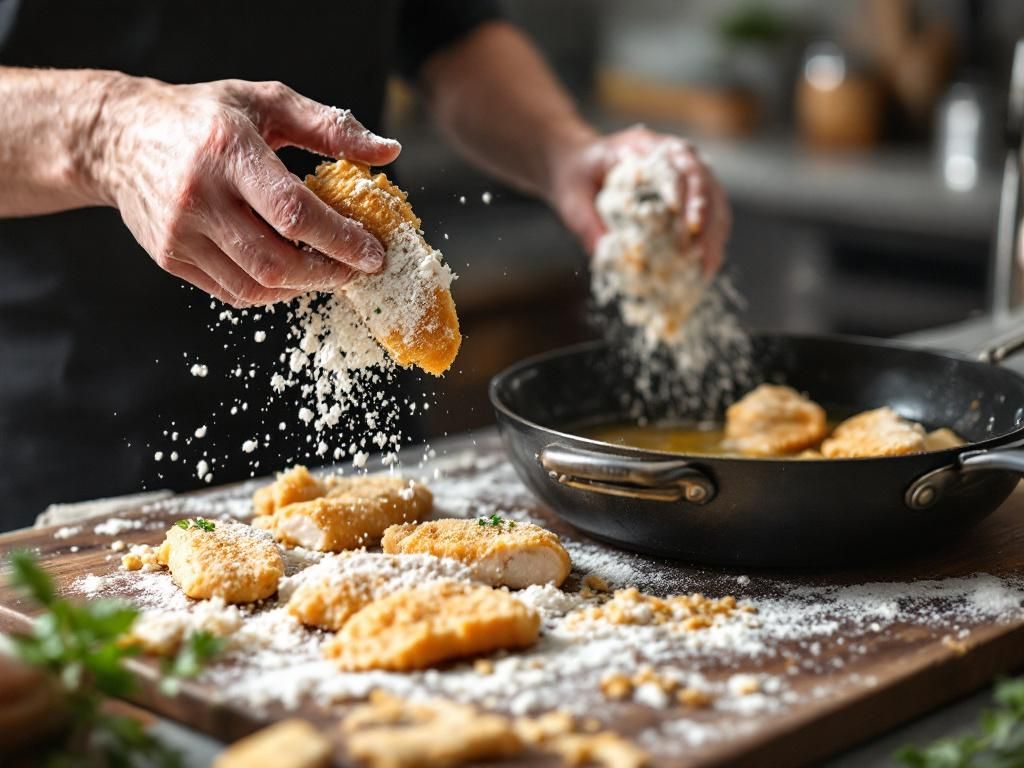
8.1. Breading Tips for Better Crunch Without a Heavy Batter
A good crunchy coating usually starts with seasoned flour, panko, or a mix of both. If we want the coating to stick, a quick dip in beaten egg or milk before dredging helps. Press the crumbs on gently so they actually cling to the chicken instead of falling off in the pan.
Don’t crowd the skillet. That’s where sogginess sneaks in. Give the pieces space, let them brown, and flip only when the bottom is set and crisp.
A little salt in the breading matters too. It sounds small, but underseasoned coating is how fried chicken ends up tasting flat.
9. Top Tips for Juicy Chicken Every Single Time
Here’s the truth, juicy chicken usually comes down to a few basic habits, not a complicated recipe. Don’t overcook it. Use enough heat to brown the outside. And let the chicken rest for a minute before serving.
Thickness matters too. If some tenderloins are much larger than others, the small ones will finish early. In that case, pull the smaller pieces first and let the larger ones keep going for a minute or two.
Also, resist the urge to press down on the chicken with a spatula. That squeezes out the juices we’re trying to keep. I know it’s tempting. We’ve all done it. It usually just makes things worse.
9.1. How to Tell When Chicken Tenderloins Are Done
The safest answer is a thermometer reading of 165°F in the thickest part. That’s the number that removes the guesswork and keeps us from either undercooking or drying out the chicken.
Visually, the meat should look opaque all the way through, with no pink in the center. The texture should feel springy, not mushy. Once it’s done, let it rest briefly so the juices settle back into the meat instead of running all over the cutting board.
10. What to Serve With Chicken Tenderloin Recipes
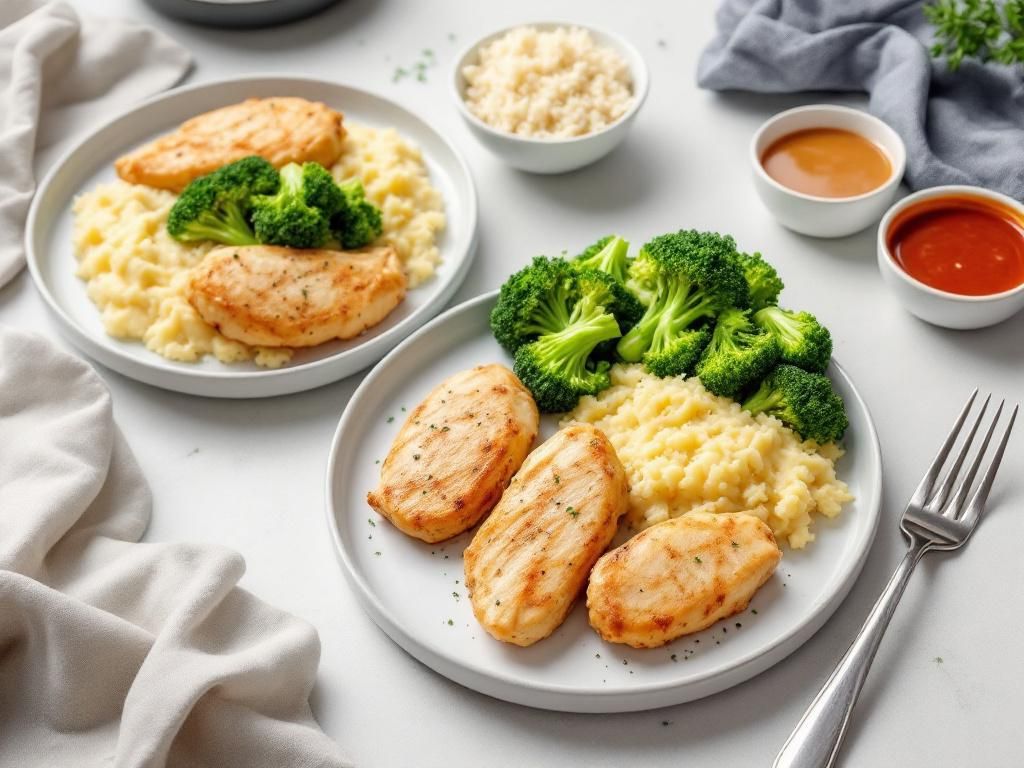
The easiest sides are often the best ones. Rice, mashed potatoes, roasted potatoes, steamed broccoli, green beans, and simple salads all fit right in. If we’re making a busy-night dinner, even buttered noodles or garlic bread can round things out.
For a little more variety, think in terms of texture. Crispy chicken with soft rice works well. Saucy chicken with plain pasta works well. Lemon herb chicken with a crunchy salad works well. We don’t need a fancy menu, just a balanced plate.
10.1. Easy Dips and Sauces We Can Pair With Them
A good dip can make the whole meal feel new. Honey mustard, ranch, barbecue sauce, garlic butter, and simple gravy all work beautifully with chicken tenderloins. If we made a honey garlic version, a little extra sauce on the side is never a bad idea.
Pan sauce is another smart move. After the chicken comes out, a splash of broth, a pat of butter, and a scrape of the skillet can turn those browned bits into something surprisingly good. It’s one of those small kitchen wins that feels bigger than the effort it takes.
11. Common Questions About Chicken Tenderloin Recipes
11.1. Can We Use Chicken Breast Instead?
Yes, but the cooking time changes. Chicken breast strips are usually thicker and less uniform than tenderloins, so we may need to pound them thin or cut them evenly for quick cooking. Tenderloins are the easier route when speed is the goal.
11.2. Can We Make These Ahead of Time?
We can season the chicken ahead of time and keep it covered in the fridge for a few hours. That actually helps the flavor settle in. Cooked tenderloins can also be made earlier in the day, though they’re best when reheated gently so they stay moist.
11.3. How Do We Reheat Chicken Tenderloins Without Drying Them Out?
The oven or stovetop is usually better than blasting them in the microwave. Warm them covered at a low temperature, or reheat in a skillet with a splash of broth or water. If we use the microwave, do it in short bursts and cover the chicken so the steam helps keep it tender.
11.4. Can We Freeze Cooked Chicken Tenderloins?
Yes, cooked tenderloins freeze well if they’re cooled first and stored in an airtight container. For the best texture, freeze them in portions so we can thaw only what we need. Reheat gently after thawing, because high heat is what usually makes them dry.
11.5. Are Chicken Tenderloin Recipes Good for Meal Prep?
They are, especially if we keep the seasoning simple. Cook a batch, portion it with rice or vegetables, and change the sauce each day so lunch doesn’t feel repetitive. It’s one of the easiest ways to stretch a single protein into several meals.
12. More Easy Chicken Recipes to Keep on Repeat
Once we’ve got a fast chicken dinner that works, it gets easier to repeat the win. That’s kind of the whole point, right? One reliable recipe leads to a few more, and suddenly weeknights feel a lot less shaky.
12.1. Other Quick Chicken Dinners We Might Love
Sheet pan chicken with vegetables is an easy next step. So is skillet chicken with a quick sauce, or baked tenders when we want something hands-off. Saucy chicken dinners, lemon chicken, and simple parmesan-style recipes all fit the same “fast and family-friendly” lane.
Keep a few of these in rotation, and dinner stops feeling like a daily puzzle. Start with one of these chicken tenderloin recipes tonight, and let the rest of the week get easier from there.
Did You Try Our Recipe?
There are no reviews yet. Be the first one to write one.