Pineapple Upside Down Cake Recipe
Table of Contents
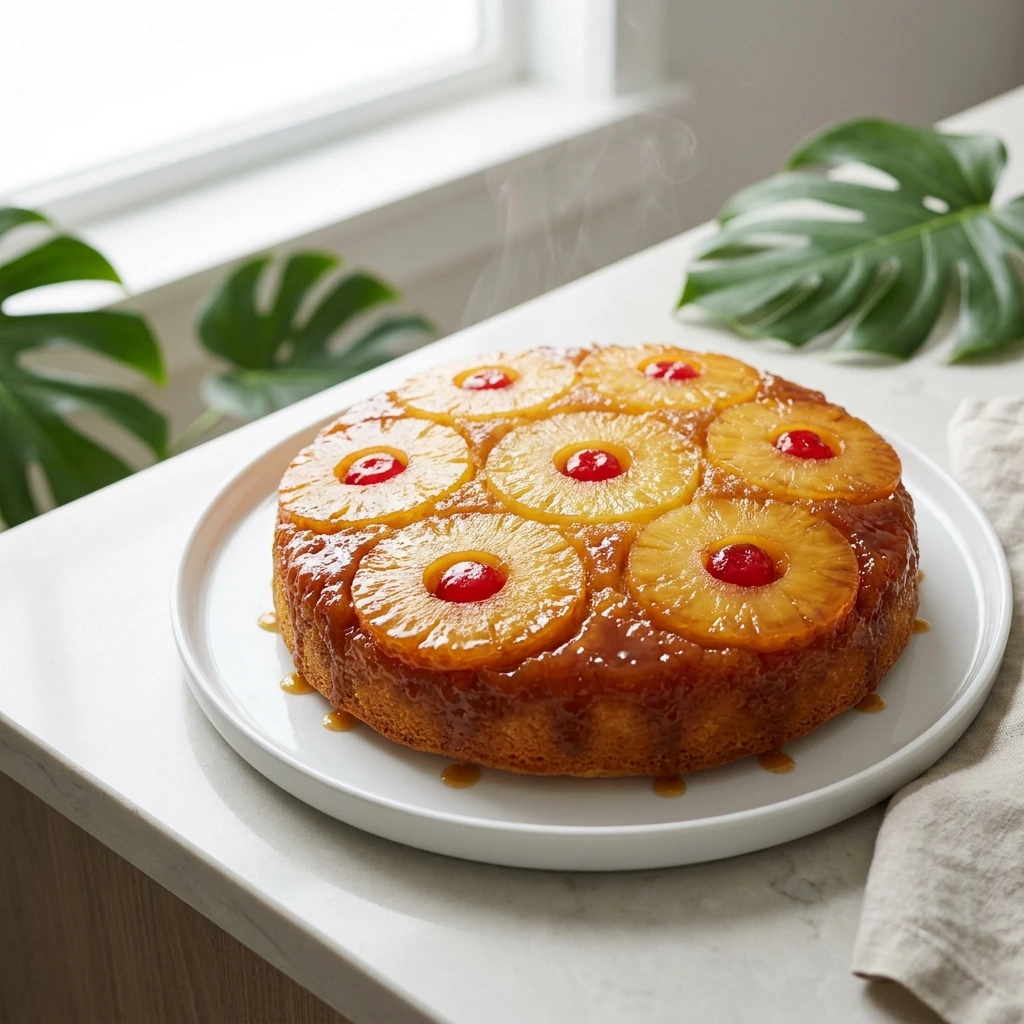
If you’ve been searching for the perfect pineapple upside down cake recipe, you’ve just discovered the ultimate game-changer. This iconic dessert, with its golden caramelized pineapple topping and buttery tender crumb, has been gracing Sunday brunch tables since the 1950s. What makes this version truly special? It’s an effortless one-pan method that delivers bakery-quality results without the mountain of dishes.
This pineapple upside down cake recipe transforms simple pantry ingredients into a stunning showstopper that’ll have everyone asking for seconds. Whether you’re a complete beginner or a seasoned baker looking for a no-fuss cleanup solution, this classic southern pineapple upside down cake will become your go-to dessert for every occasion.
Why This Pineapple Upside Down Cake Recipe Stands Out
The Perfect Balance of Nostalgia and Ease
There’s something irresistibly charming about a pineapple upside down cake recipe that feels both retro and timeless. This 1950s classic has survived generations precisely because it combines tropical flavors with buttery caramel in a way that feels both familiar and special.
What sets this recipe apart from countless others? It’s the intelligent simplification without sacrificing quality. Traditional recipes often require multiple bowls, pans, and complicated techniques. This version streamlines the process while actually improving the final result through our signature one-pan method.
The secret lies in understanding how heat, sugar, and butter interact. By melting everything directly in your baking pan, you create a superior caramelized topping that’s impossible to achieve with conventional methods. The result? A syrupy glaze that penetrates the moist yellow cake, creating layers of flavor in every single bite.
What Makes It Foolproof for Beginners
This easy cake recipe for beginners removes all the intimidation factors that typically discourage novice bakers:
- No fancy equipment required: Just a 9-inch cake pan or cast iron skillet
- Minimal measuring: Simple ratios that are hard to mess up
- Visual cues: You’ll know exactly when each step is complete
- Forgiving nature: The moist crumb covers minor imperfections
- Quick assembly: From start to oven in under 20 minutes
Even if you’ve never baked a cake before, this pineapple upside down cake recipe will make you look like a seasoned pro.
The 1-Pan Secret: How to Caramelize and Bake in One Go
Understanding the Revolutionary Technique
Here’s where this pineapple upside down cake recipe truly shines. Instead of making caramel separately and transferring it to a pan (messy!), or using a cold pan and hoping for the best (inconsistent!), we’re going to create the glaze directly in the baking vessel.
The science behind the magic:
When you melt butter and brown sugar together in the pan that will go into the oven, you’re accomplishing three critical things simultaneously:
- Creating an even caramelization base: The heat distributes uniformly across the pan bottom
- Eliminating air pockets: The melted mixture fills every crevice, ensuring perfect fruit adhesion
- Building flavor complexity: The brief stovetop heating begins the Maillard reaction that deepens taste
This technique, particularly effective with a cast iron skillet, creates a superior glaze because the pan’s retained heat continues caramelizing the brown sugar glaze even as the cake batter bakes above it.
Step-by-Step One-Pan Assembly
Phase 1: Creating the Caramelized Base
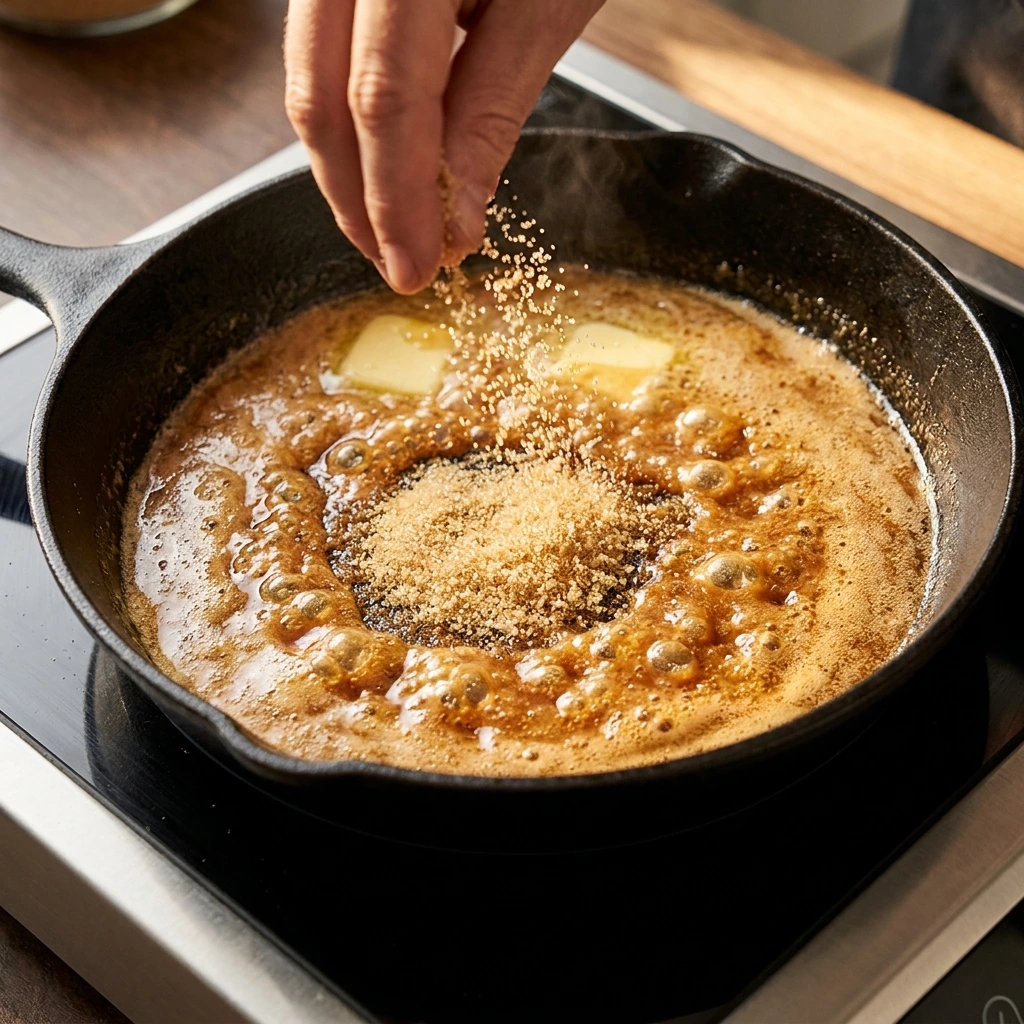
- Place your 9-inch cake pan or cast iron skillet on the stovetop over medium heat
- Add ½ cup unsalted butter directly to the pan
- Once melted, sprinkle 1 cup light brown sugar evenly across the butter
- Stir gently for 2-3 minutes until the mixture bubbles and combines
- Remove from heat immediately
Phase 2: Arranging the Tropical Topping
While the brown sugar mixture is still warm and pliable:
- Arrange 7 pineapple rings in a decorative pattern (one center, six surrounding)
- Place maraschino cherries in the center of each ring and in gaps
- Press fruit gently into the caramel to ensure adhesion
- Allow to cool for 5 minutes while you prepare the batter
Phase 3: The Batter (No Extra Bowls!)
For an ultra-streamlined approach, mix your batter in the same bowl you’ll use to pour:
- 1½ cups all-purpose flour
- 1 cup granulated sugar
- ⅓ cup melted butter
- ½ cup pineapple juice (drained from the can!)
- 2 large eggs
- 1½ teaspoons baking powder
- 1 teaspoon vanilla extract
- ¼ teaspoon salt
Whisk until just combined—overmixing creates a tough crumb. Pour gently over your arranged fruit, taking care not to disturb the pattern.
Why Cast Iron Changes Everything

While any 9-inch cake pan works beautifully, using a cast iron skillet for this pineapple upside down cake recipe elevates it from great to extraordinary:
| Feature | Standard Pan | Cast Iron Skillet |
|---|---|---|
| Heat distribution | Even | Exceptionally even |
| Caramelization | Good | Superior golden crust |
| Presentation | Attractive | Rustic showstopper |
| Temperature retention | Moderate | Excellent |
| Stovetop-to-oven | Usually yes | Seamless transition |
| Cleanup | Multiple dishes | Literally one pan |
The cast iron’s superior heat retention means the bottom continues caramelizing throughout baking, creating those irresistible crispy edges that define a truly exceptional pineapple cake with maraschino cherries.
Mastering the Perfect Tender Crumb
The Science of Moisture
A common complaint with many pineapple upside down cake recipes is dryness. The solution lies in understanding how pineapple juice infusion works with your batter chemistry.
The moisture trifecta:
- Pineapple juice: Replaces some of the liquid, adding tropical flavor and natural acidity
- Proper fat ratio: Butter creates tenderness while preventing greasiness
- Minimal mixing: Develops just enough gluten for structure without toughness
Pro tip: Reserve the juice from your canned pineapple instead of buying it separately. One 20-oz can typically yields exactly the ½ cup needed for a fluffy texture.
Achieving Bakery-Quality Results
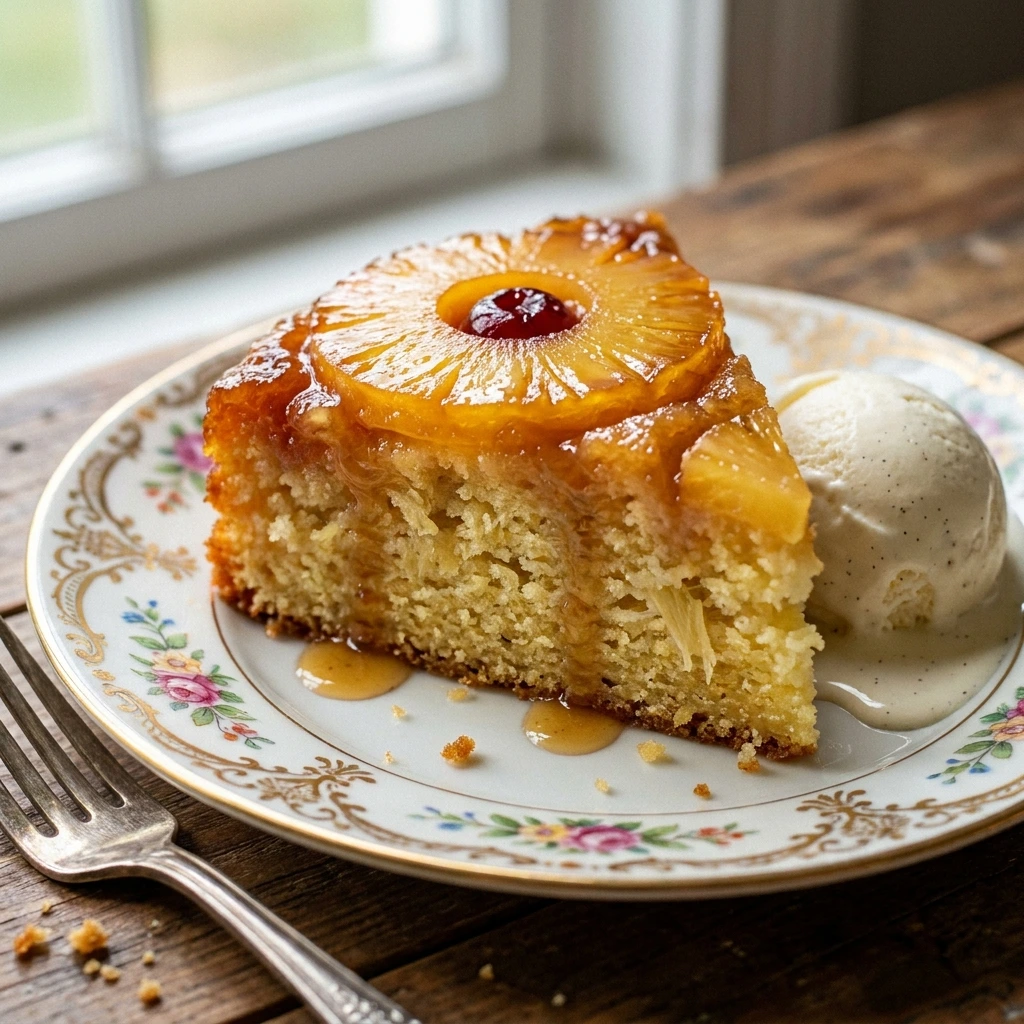
The difference between a good cake and an unforgettable one often comes down to timing and temperature precision:
Oven temperature: 350°F (175°C) – This moderate heat allows the top to set before the bottom over-caramelizes
Baking time: 40-45 minutes – Watch for these indicators:
- Golden brown surface
- Edges pulling slightly from pan sides
- Toothpick inserted in center comes out clean
- Light spring-back when gently pressed
The crucial cooling period: Let the cake cool in the pan for exactly 10 minutes. Too short, and the topping slides off when flipped. Too long, and the caramel hardens, making the cake stick.
Mastering the Flip
This moment makes or breaks your pineapple upside down cake recipe presentation. Here’s the foolproof technique:
- Run a butter knife around the pan edges to loosen
- Place your serving platter upside down over the pan
- Using oven mitts, hold both firmly together
- In one swift, confident motion, flip everything over
- Let gravity work for 30 seconds before lifting the pan
- If any fruit sticks, simply replace it on the cake surface
Complete Recipe: Your Foolproof Guide
Ingredients Breakdown
For the Caramelized Pineapple Topping:
- ½ cup (1 stick) unsalted butter
- 1 cup packed light brown sugar
- 1 can (20 oz) pineapple slices, drained (reserve juice!)
- 10-12 maraschino cherries (sweet cherries work beautifully too)
For the Moist Yellow Cake:
- 1½ cups all-purpose flour
- 1 cup granulated sugar
- ⅓ cup melted unsalted butter
- ½ cup reserved pineapple juice (or buttermilk substitute)
- 2 large eggs, room temperature
- 1½ teaspoons baking powder
- 1 teaspoon pure vanilla extract
- ¼ teaspoon salt
Step-by-Step Instructions
Preparation (5 minutes):
- Preheat your oven to 350°F
- Drain pineapple, reserving ½ cup juice
- Bring eggs to room temperature (quick method: 5 minutes in warm water)
Creating the Base (5 minutes):
- Melt ½ cup butter in your 9-inch pan over medium heat
- Add brown sugar, stir until dissolved and bubbly (2-3 minutes)
- Remove from heat
- Arrange pineapple rings in desired pattern
- Nestle cherries into centers and gaps
- Let cool 5 minutes
Mixing the Batter (8 minutes):
- In a mixing bowl, whisk together flour, sugar, baking powder, and salt
- In another bowl (or use an electric mixer), beat eggs lightly
- Add melted butter, pineapple juice, and vanilla extract to eggs
- Pour wet ingredients into dry ingredients
- Mix until just combined—some small lumps are okay!
- Pour batter evenly over arranged fruit
Baking (40-45 minutes):
- Bake at 350°F for 40-45 minutes
- Test with toothpick in center—should come out clean
- Look for golden brown top and edges pulling from sides
- Remove and cool in pan for exactly 10 minutes
The Grand Finale (2 minutes):
- Run knife around edges
- Place serving platter over pan
- Flip confidently and swiftly
- Wait 30 seconds, then lift pan
- Admire your gorgeous creation!
Timing & Yield Table
| Component | Active Time | Passive Time | Total |
|---|---|---|---|
| Prep ingredients | 5 min | – | 5 min |
| Make topping | 5 min | 5 min cooling | 10 min |
| Mix batter | 8 min | – | 8 min |
| Baking | – | 40-45 min | 45 min |
| Cooling & flipping | 2 min | 10 min cooling | 12 min |
| TOTAL | 20 min | 60 min | 80 min |
| Servings | 8-10 generous slices |
Troubleshooting Common Issues
Problem: Cake Sticks When Flipping
Why it happens: Usually due to insufficient cooling time or inadequate pan preparation.
Solutions:
- Wait the full 10 minutes before flipping
- Next time, add a tablespoon extra butter to your caramel base
- Use a well-seasoned cast iron or thoroughly greased pan
- Run a thin knife around edges immediately after removing from oven
Problem: Soggy Bottom
Why it happens: Too much liquid from the fruit or underbaking.
Solutions:
- Ensure pineapple slices are thoroughly drained (pat with paper towels)
- Bake the full 45 minutes even if top looks done
- Let cake cool completely before serving (the bottom firms up)
- Store uncovered so moisture can escape
Problem: Dry, Dense Crumb
Why it happens: Overmixing the batter or overbaking.
Solutions:
- Mix batter only until ingredients are just combined
- Use the toothpick test starting at 40 minutes
- Ensure your baking powder is fresh (test: mix ¼ tsp with hot water—should fizz vigorously)
- Don’t skip the pineapple juice—it’s essential for moisture
Variations to Try
Tropical Twist: Coconut Pineapple Upside Down Cake
Enhance this pineapple upside down cake recipe with island flair:
- Add ½ cup sweetened shredded coconut to the batter
- Replace ¼ cup pineapple juice with coconut milk
- Toast coconut flakes and sprinkle over finished cake
- Garnish with fresh mint leaves
Bourbon Caramel Version
For adults-only gatherings:
- Add 2 tablespoons bourbon to the brown sugar glaze
- Include 1 teaspoon bourbon in the cake batter
- The alcohol bakes off, leaving sophisticated depth
Fresh Pineapple Upgrade
While canned pineapple is traditional and perfectly delicious:
- Use fresh pineapple sliced ½-inch thick
- Increase brown sugar to 1¼ cups (fresh fruit is less sweet)
- Baking time may increase by 5-7 minutes
Serving Suggestions & Storage
Best Ways to Serve
This pineapple upside down cake recipe shines in multiple contexts:
Warm from the oven: The syrupy glaze is at peak gooeyness. Serve with:
- Vanilla ice cream melting into the caramel
- Freshly whipped cream (unsweetened balances the sweetness)
- A dollop of crème fraîche for sophisticated tang
Room temperature: Perfect for picnics and potlucks. The flavors have melded beautifully and the cake slices cleanly.
Chilled: Some prefer it cold from the refrigerator. The texture becomes denser and the sweetness mellows.
Storage Guidelines
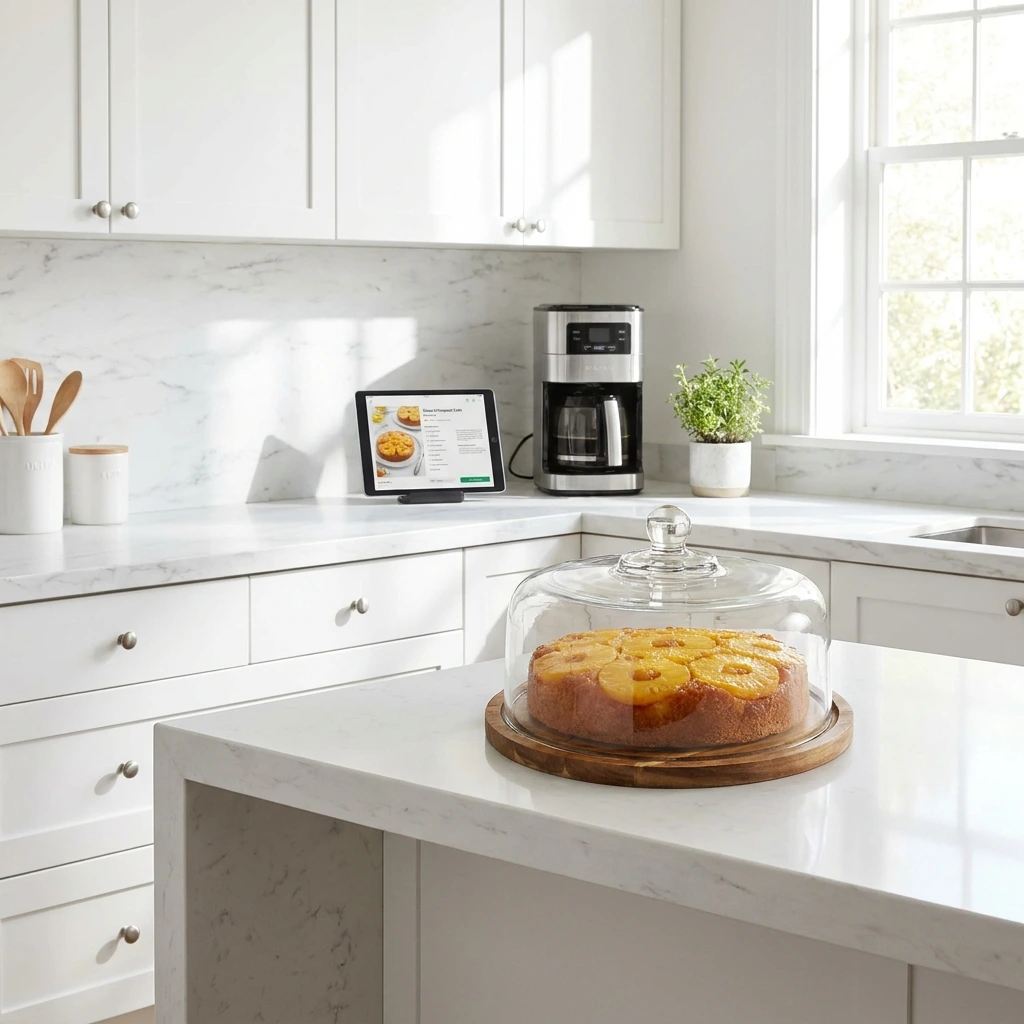
Counter storage: Cover loosely with foil (tight covering traps moisture) for 2 days
Refrigerator: Wrapped in plastic wrap for up to 5 days. Bring to room temperature before serving for best flavor.
Freezing: Wrap individual slices in plastic, then foil. Freeze up to 3 months. Thaw overnight in refrigerator.
Reheating tip: Microwave individual slices for 15-20 seconds to restore that fresh-baked warmth and soften the caramel.
Frequently Asked Questions
How do I keep my pineapple upside down cake from sticking?
The key is proper timing and technique. Always wait exactly 10 minutes after removing from the oven before flipping—this allows the caramel to set slightly while remaining pliable. Immediately run a thin knife around the edges to break any seal. When using this pineapple upside down cake recipe, the generous butter in the topping naturally prevents sticking when you flip confidently and swiftly.
Can I make this pineapple upside down cake recipe ahead?
Absolutely! This cake actually improves slightly after a few hours as the syrupy glaze soaks into the tender crumb. Bake up to 24 hours ahead, cool completely, then cover loosely. Don’t refrigerate unless your kitchen is very warm—the caramel can harden. Bring to room temperature or warm slightly before serving for best results.
What can I substitute for pineapple juice?
The pineapple juice infusion adds authentic flavor, but alternatives work well:
- Buttermilk substitute (for tang and moisture)
- Orange juice (complementary citrus notes)
- Plain whole milk (neutral option)
- Apple juice (adds mild sweetness)
The buttermilk substitute is our top recommendation—mix ½ cup milk with 1½ teaspoons lemon juice, let sit 5 minutes.
Can I use a different size pan?
This pineapple upside down cake recipe is calibrated for a 9-inch round pan. Other options:
- 10-inch pan: Reduce baking time by 5-7 minutes; cake will be slightly thinner
- 8-inch pan: Increase baking time by 5-7 minutes; you may have extra batter
- 9×13 rectangular: Adjust fruit arrangement; same baking time
Cast iron skillet users: Ensure it’s oven-safe (no plastic handles) and well-seasoned.
Why is my cake dense instead of fluffy?
Several factors affect the fluffy texture:
- Overmixing: Develops too much gluten. Mix only until no dry flour remains
- Old leavening: Baking powder loses potency. Replace if older than 6 months
- Room temperature eggs: Cold eggs don’t incorporate air properly
- Accurate measuring: Too much flour creates density. Spoon into cup, level off
Why This Recipe Deserves a Spot in Your Collection
Unlike trendy desserts that fade with the seasons, this best cake recipe for a crowd has remained beloved for over 70 years because it delivers on every promise: impressive presentation, irresistible flavor, and accessible technique.
The one-pan method isn’t just about convenience (though the no-fuss cleanup is certainly appreciated). It’s about creating better flavor through smarter cooking. By eliminating transfers and unnecessary steps, you preserve the integrity of each component while building complexity through the interaction of heat, sugar, and butter.
Whether you’re preparing it for a Sunday brunch dessert, bringing it to a potluck, or simply treating yourself to a slice of nostalgia, this pineapple upside down cake recipe represents home baking at its finest: unpretentious, reliable, and absolutely delicious.
Your Turn to Bake
Now that you have the ultimate pineapple upside down cake recipe with the game-changing one-pan secret, it’s time to experience the magic yourself. Gather your simple ingredients, heat up that skillet, and prepare to create something that’ll have everyone convinced you’ve been baking for decades.
The beauty of this classic southern pineapple upside down cake lies not just in its caramelized topping and moist yellow cake, but in the confidence it gives you as a baker. Once you’ve mastered this technique, you’ll find yourself returning to it again and again, perhaps experimenting with the variations or simply savoring the perfect original.
So preheat that oven, grab your cast iron skillet, and get ready to flip your way to dessert perfection. Your new signature dessert awaits—and trust me, one taste of that buttery caramel-soaked pineapple will have you wondering why you ever made it any other way.
Happy baking!
Did You Try Our Recipe?
There are no reviews yet. Be the first one to write one.