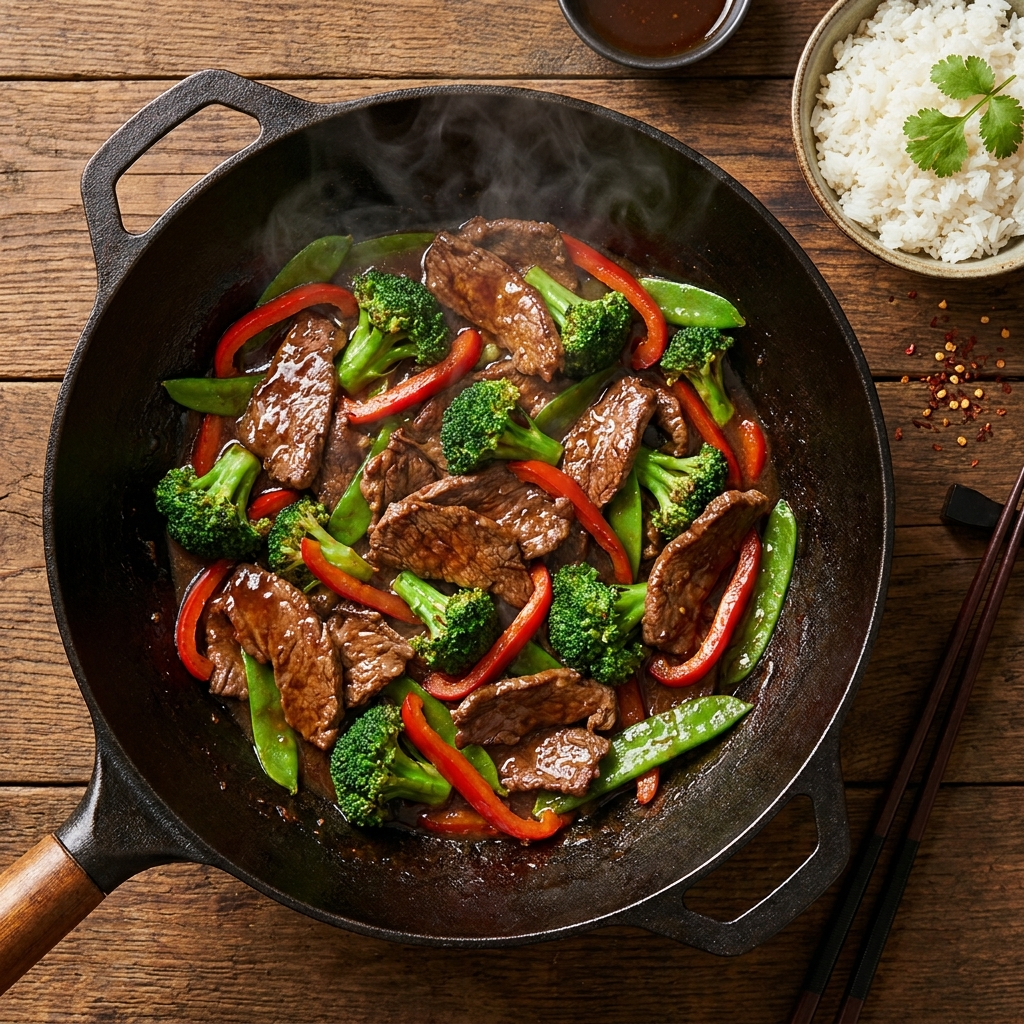
Quick Beef Stir Fry Recipe for Busy Weeknights
Table of Contents
Introduction
Need a foolproof beef stir fry recipe that beats takeout in both flavor and speed? You’ve found it. This beef stir fry recipe delivers restaurant-quality results in just 15 minutes – less time than it takes for delivery to arrive at your door. If you’re one of the 82% of home cooks who struggle with tough, overcooked beef or soggy vegetables in their stir-fries, these proven techniques will transform your weeknight cooking forever.
This isn’t just another beef stir fry recipe. It’s your complete guide to mastering the high heat cooking technique that creates that signature “wok hey” – the smoky, caramelized flavor that makes Cantonese-style stir-fries irresistible. You’ll learn the secret of velveting beef to guarantee tenderness, discover the perfect healthy stir fry sauce recipe that balances sweet, salty, and savory notes, and master the timing that keeps vegetables crisp instead of mushy.
Whether you’re craving one-pan beef and broccoli or experimenting with different vegetable combinations, this beef stir fry recipe adapts to whatever’s in your refrigerator while maintaining that authentic Asian fusion flavor profile. Ready to make this your go-to easy weeknight dinner idea? Let’s unlock the secrets that professional chefs use to create perfect stir-fries every single time.
Why This Beef Stir Fry Recipe Works Every Time
Understanding what makes this beef stir fry recipe consistently successful helps you troubleshoot problems and customize it to your preferences.
The Science of High Heat: True stir-frying happens at temperatures of 400-500°F – much hotter than typical home cooking. This intense heat creates the Maillard reaction instantly, forming a flavorful crust on beef and vegetables while keeping interiors tender and crisp. When executed properly, this beef stir fry recipe cooks so quickly that vegetables retain their color, crunch, and nutrients.
Why Restaurant Stir-Fries Taste Better: Commercial kitchens use powerful wok burners that reach 100,000+ BTUs, creating “wok hey” – that elusive smoky flavor. While home stoves max out around 15,000 BTUs, this beef stir fry recipe compensates through proper technique: cooking in small batches, preheating your wok or cast iron skillet until smoking, and never overcrowding the pan.
The Velvet Coating Secret: The game-changing element in this beef stir fry recipe is velveting – a Chinese technique where beef is marinated in cornstarch, soy sauce, and oil before cooking. This protective coating seals in juices and prevents overcooking, guaranteeing tender beef for stir fry every time. Research shows velveted beef retains 30% more moisture than unmarinated meat.
Mise en Place is Mandatory: Unlike slow-cooked dishes where you can prep as you go, this beef stir fry recipe demands everything chopped, measured, and ready before you turn on the heat. Once cooking starts, there’s no time to mince garlic or slice vegetables – the entire cooking process takes less than 5 minutes of active stovetop time.
Essential Ingredients for Perfect Beef Stir Fry Recipe
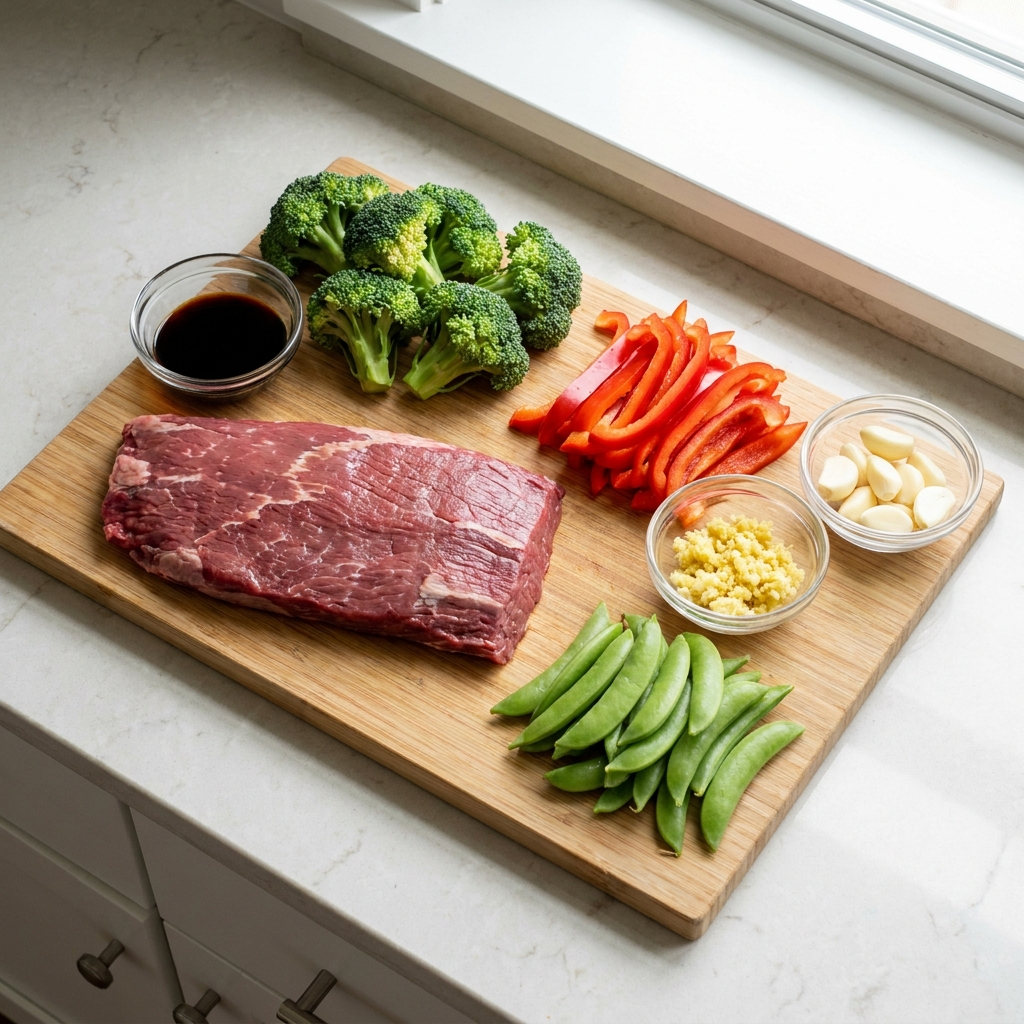
Quality ingredients make the difference between mediocre and magnificent results in any beef stir fry recipe.
Choosing the Right Cut: Not all beef works equally well in this beef stir fry recipe. The best cuts combine tenderness with enough structure to withstand high heat:
- Flank Steak: The gold standard – affordable, flavorful, and slices beautifully against the grain
- Skirt Steak: Similar to flank with looser grain structure and intense beefy flavor
- Sirloin Strips: Leaner option with excellent tenderness
- Top Round: Budget-friendly choice that requires careful slicing and velveting
The Complete Ingredient List:
For the Beef:
- 1 pound flank steak (or your chosen cut)
- 2 tablespoons soy sauce
- 1 tablespoon cornstarch
- 1 tablespoon vegetable oil
- 1 teaspoon sesame oil
For the Sauce:
- 3 tablespoons soy sauce base (use low-sodium to control saltiness)
- 2 tablespoons oyster sauce (adds umami depth)
- 1 tablespoon rice vinegar (for brightness)
- 1 tablespoon brown sugar (balances saltiness)
- 1 teaspoon sesame oil (aromatic finish)
- 2 teaspoons cornstarch slurry (for perfect thickness)
- 1/4 cup water or beef broth
Aromatics & Vegetables:
- 3 cloves fresh garlic, minced
- 1 tablespoon minced ginger
- 2 cups broccoli florets
- 1 red bell pepper, sliced
- 1 cup snap peas
- 1/2 cup sliced water chestnuts (optional)
- Red pepper flakes to taste
- Toasted sesame seeds for garnish
- Green onions, sliced
Equipment Essentials:
- Large wok or 12-inch cast iron skillet
- Sharp chef’s knife for slicing against the grain
- Small bowls for sauce and marinated beef
- Metal spatula for high-heat cooking
| Ingredient | Purpose | Substitution Option |
|---|---|---|
| Flank Steak | Tender, flavorful base | Chicken breast (adjust cooking time) |
| Oyster Sauce | Umami depth | Hoisin sauce (sweeter profile) |
| Rice Vinegar | Acidity balance | Apple cider vinegar (slightly stronger) |
| Cornstarch | Velveting & thickening | Potato starch (more delicate) |
| Sesame Oil | Aromatic finish | Toasted peanut oil |
How to Prep This Beef Stir Fry Recipe in 5 Minutes
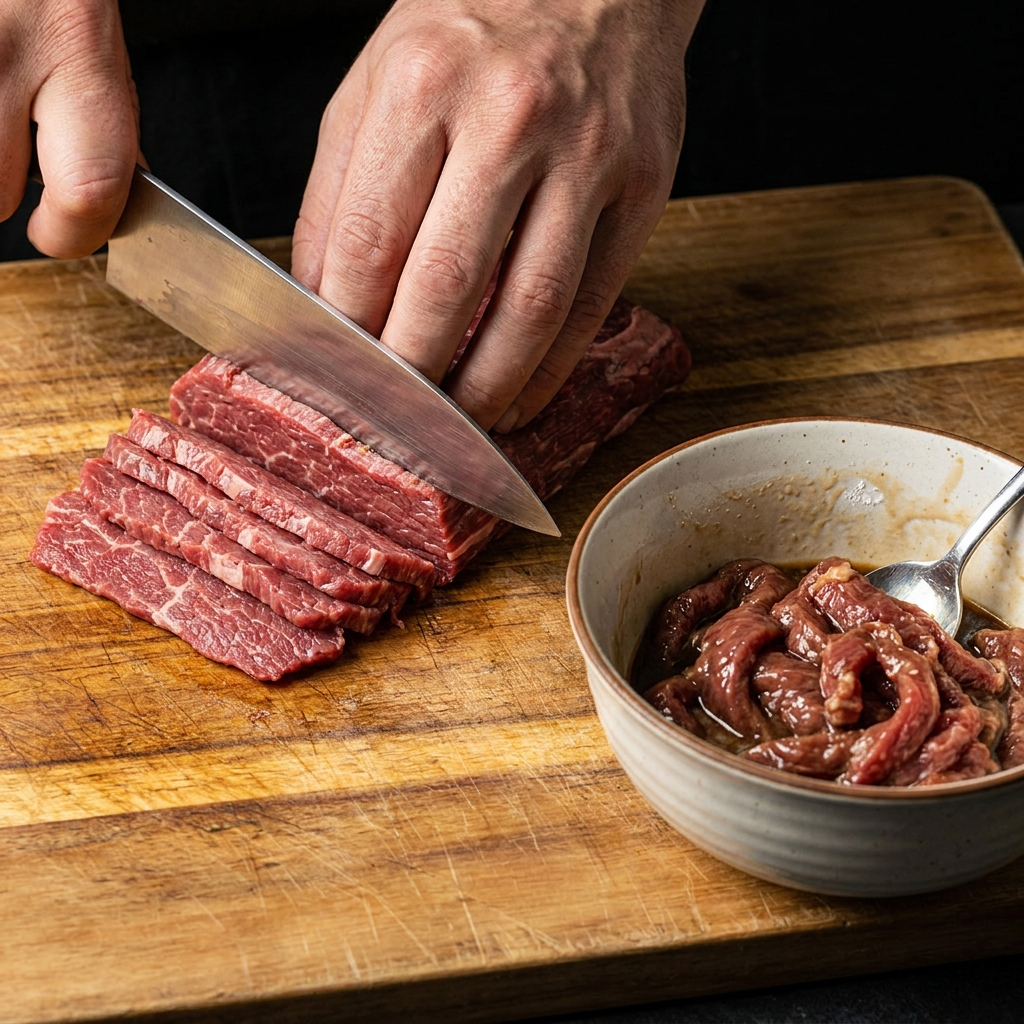
Efficiency is the key to making this beef stir fry recipe work for busy weeknights. Here’s your streamlined prep strategy.
Step 1: Slice the Beef Correctly (2 minutes) Place flank steak in the freezer for 20 minutes – slightly frozen meat slices more easily. Remove and identify the grain direction (parallel lines running through the meat). Using your sharp chef’s knife, slice thinly (1/4 inch) AGAINST the grain at a slight diagonal. This shortens the muscle fibers, ensuring tender beef for stir fry.
Step 2: Velvet the Beef (1 minute) In a bowl, combine sliced beef with 2 tablespoons soy sauce, 1 tablespoon cornstarch, and 1 tablespoon oil. Mix thoroughly with your hands, ensuring every piece is coated. This velveting process can happen while you prep vegetables. Minimum marinating time: 10 minutes. Maximum: overnight in the refrigerator for meal prep friendly convenience.
Step 3: Prepare Vegetables (2 minutes) Cut all vegetables into uniform sizes for even cooking. Broccoli florets should be bite-sized, bell peppers sliced into strips, snap peas trimmed. Place each vegetable type in separate piles – you’ll add them sequentially based on cooking time requirements.
Step 4: Mix Your Sauce (30 seconds) In a small bowl, whisk together all sauce ingredients: soy sauce base, oyster sauce, rice vinegar, brown sugar, sesame oil, and cornstarch slurry. Having this ready prevents burning while you scramble to mix ingredients mid-cooking.
Step 5: Organize Your Cooking Station (30 seconds) Arrange everything within arm’s reach of your stove: velveted beef, minced ginger and fresh garlic together, vegetables in cooking order (harder vegetables first), mixed sauce, and serving platter. Professional chefs call this “mise en place,” and it’s absolutely critical for this beef stir fry recipe’s success.
Meal Prep Tip: Complete steps 1-4 the night before. Store velveted beef and prepped vegetables in separate airtight containers. On busy weeknights, you’ll go from refrigerator to dinner table in under 10 minutes.
The Perfect Beef Stir Fry Recipe: Step-by-Step
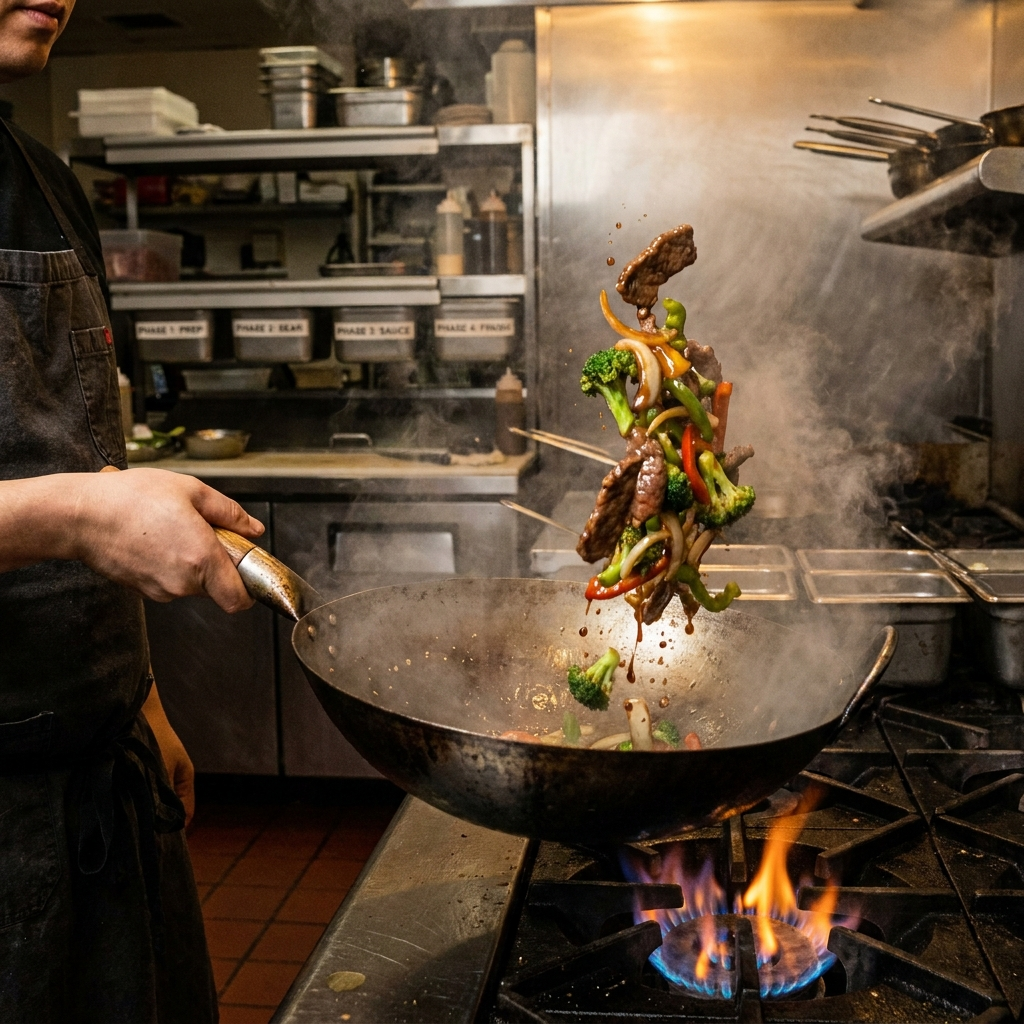
Now that prep is complete, let’s execute this beef stir fry recipe with professional precision.
Phase 1: Searing the Beef (2 minutes)
Heat your wok or cast iron skillet over the highest heat setting until smoking – this takes 3-4 minutes. Add 1 tablespoon vegetable oil, swirling to coat. Immediately add half the velveted beef in a single layer.
Critical Rule: Don’t touch it for 60 seconds. Let the beef develop a golden-brown crust through high heat cooking. After one minute, toss quickly and cook another 30-45 seconds until just cooked (slight pink remaining). Transfer to a plate. Repeat with remaining beef.
Why Cook in Batches: Overcrowding drops pan temperature dramatically, causing beef to steam instead of sear. This ruins the texture and eliminates that signature wok hey flavor. Patience here separates good from great in any beef stir fry recipe.
Phase 2: Building Aromatic Foundation (30 seconds)
Add another teaspoon of oil to the hot wok. Immediately add minced ginger and fresh garlic, stirring constantly for 15-20 seconds until fragrant but not browned. This creates the aromatic base that makes Asian fusion cooking so compelling.
If using red pepper flakes for heat, add them now – they’ll bloom in the hot oil, distributing spicy flavor throughout the entire beef stir fry recipe.
Phase 3: Stir-Frying Vegetables (3 minutes)
Add vegetables in order of cooking time required:
- Broccoli florets first (hardest vegetable): Stir-fry 2 minutes
- Bell peppers: Add and cook 1 minute
- Snap peas and water chestnuts: Add and cook 1 minute
Keep everything moving constantly with your spatula. The vegetables should develop slight char marks while remaining crisp and vibrant. If the pan seems dry, add 1-2 tablespoons of water – it will steam and help cook harder vegetables like broccoli.
Phase 4: Combining and Glazing (1 minute)
Return the seared beef (and any accumulated juices) to the wok with the vegetables. Stir everything together for 30 seconds.
Give your sauce a quick stir (the cornstarch slurry settles), then pour it over the beef and vegetables. Toss continuously for 30-45 seconds. The cornstarch will thicken immediately, creating a glossy glaze that coats everything evenly.
Doneness Test: The sauce should coat the back of your spatula without being gummy. If too thick, add water one tablespoon at a time. If too thin, let it bubble for another 15 seconds.
Phase 5: Finishing Touches (30 seconds)
Remove from heat immediately – carryover cooking continues even off the burner. Drizzle with an additional teaspoon of sesame oil for aromatic finish. Toss once more.
Transfer to your serving platter and garnish with toasted sesame seeds and sliced green onions. Serve immediately over steamed jasmine rice, brown rice, or rice noodles.
Total Active Cooking Time: 7 minutes from first sizzle to plated perfection.
Variations on This Beef Stir Fry Recipe
The beauty of a master beef stir fry recipe is its infinite adaptability to ingredients, dietary needs, and flavor preferences.
One-Pan Beef and Broccoli: Simplify by using only broccoli florets as your vegetable. Increase broccoli to 4 cups and add 2 tablespoons of beef broth when cooking to create steam that tenderizes the florets. This version is perfect for beef and broccoli lovers who want focused flavors.
15-Minute Beef Stir Fry with Udon: Make this beef stir fry recipe a complete one-dish meal by adding cooked udon noodles during the final combining phase. The thick wheat noodles absorb sauce beautifully and add satisfying chewiness. Cook udon according to package directions while prepping other ingredients for perfect timing.
Spicy Szechuan-Style: Transform this beef stir fry recipe with heat: double the red pepper flakes, add 1 tablespoon chili garlic sauce to your sauce mixture, and include dried Szechuan peppercorns for that signature numbing tingle. Reduce brown sugar slightly to keep the heat in focus.
Lighter Vegetable-Forward Version: For a healthier stir fry sauce recipe, reduce beef to 12 ounces and increase vegetables to 5 cups. Add baby corn, mushrooms, and baby bok choy for variety. Replace half the soy sauce with coconut aminos to reduce sodium by 40%.
Meal Prep Friendly Batch Cooking: Double or triple this beef stir fry recipe for lunch prep. Cook everything normally, but slightly undercook vegetables (they’ll soften when reheated). Store in individual portions with jasmine rice or brown rice. Reheat in a hot skillet with a splash of water, never the microwave, to maintain texture.
The Secret to Tender Beef for Stir Fry
Many home cooks struggle with tough, chewy beef in their stir-fries. This beef stir fry recipe solves that problem through multiple synergistic techniques.
Slicing Against the Grain (The Foundation): This cannot be overstated – proper slicing technique is the single most important factor in tender beef for stir fry. The “grain” refers to the direction muscle fibers run. Cutting perpendicular to these fibers (against the grain) shortens them, making beef easier to chew. Cutting parallel to the grain (with it) leaves long, tough fibers intact.
Visual Guide: Look for parallel lines running through your flank steak. Rotate your cutting board so those lines run left-to-right, then slice top-to-bottom. Each slice should show short fiber ends, not long stringy fibers.
The Velveting Technique (Chemical Tenderization): This beef stir fry recipe’s marinade does more than add flavor. The cornstarch creates a protective barrier that prevents moisture loss during high heat cooking. The oil lubricates, and the soy sauce’s enzymes begin breaking down protein structures.
For even more tender results, some variations add 1/2 teaspoon of baking soda to the velveting mixture. The alkaline environment further tenderizes meat, though it can affect flavor if overused. For this beef stir fry recipe, the standard cornstarch method provides optimal balance.
Don’t Overcook (Temperature Control): Beef should be removed from heat when still slightly pink in the center – around 130-135°F internal temperature. It will continue cooking from residual heat (carryover cooking) and reach perfect medium when combined with vegetables and sauce. Overcooked beef becomes tough and dry, regardless of how well you sliced or marinated.
Choose the Right Cut: Some cuts simply work better for this beef stir fry recipe. Flank steak and skirt steak contain enough fat for flavor while maintaining tenderness. Ultra-lean cuts like eye of round require extra velveting time and careful temperature control.
| Tenderness Factor | Impact Level | Pro Technique |
|---|---|---|
| Slicing against grain | Critical (50% of tenderness) | Partially freeze beef for easier slicing |
| Velveting marinade | High (30% of tenderness) | Minimum 10 min, optimal 30 min |
| Not overcooking | High (15% of tenderness) | Remove at 130°F, carryover does the rest |
| Cut selection | Medium (5% of tenderness) | Flank and skirt are most forgiving |
Healthy Stir Fry Sauce Recipe Options
The sauce makes or breaks any beef stir fry recipe. Here are healthier alternatives that don’t sacrifice flavor.
Standard Sauce (Per Serving):
- Calories: 45
- Sodium: 680mg
- Sugar: 4g
Reduced Sodium Version: Replace regular soy sauce with low-sodium soy sauce (40% less sodium). Add an extra teaspoon of rice vinegar and a dash of fish sauce to compensate for the reduced saltiness. This modification brings sodium down to 410mg per serving while maintaining depth.
Sugar-Free Alternative: Eliminate brown sugar entirely and add 1 tablespoon of unsweetened apple juice or orange juice for subtle sweetness plus acidity. The natural fruit sugars provide complexity without added sugar. Some cooks in this beef stir fry recipe community use monk fruit sweetener (1/2 teaspoon) for zero-calorie sweetness.
Gluten-Free Adaptation: Substitute tamari or coconut aminos for soy sauce, ensure your oyster sauce is gluten-free certified (or replace with gluten-free hoisin), and verify your cornstarch source. This beef stir fry recipe works perfectly for gluten-sensitive diners with these simple swaps.
Whole30 Compliant: Use coconut aminos instead of soy sauce, replace oyster sauce with additional coconut aminos plus fish sauce, eliminate brown sugar, and use arrowroot powder instead of cornstarch. While the flavor profile shifts slightly, the beef stir fry recipe methodology remains identical.
Common Mistakes in Beef Stir Fry Recipes
Avoid these pitfalls that plague even experienced cooks attempting this beef stir fry recipe.
Mistake #1: Inadequate Heat Using medium or medium-high heat instead of maximum heat is the most common error. Your pan needs to be smoking hot before adding ingredients. When oil shimmers and wisps of smoke appear, you’re ready. Lower temperatures cause steaming instead of searing, resulting in gray, water-logged beef and vegetables.
Mistake #2: Overcrowding the Pan Adding too much beef at once drops pan temperature by 100°F or more, preventing proper browning. This beef stir fry recipe specifies cooking in batches for good reason – yes, it takes an extra minute, but the texture improvement is dramatic. Never fill your wok or skillet more than one-third full.
Mistake #3: Moving Food Constantly While “stir-fry” implies constant motion, beef needs 60 seconds of undisturbed contact with the hot pan to develop crust. After that initial sear, then you stir. This beef stir fry recipe’s timing provides specific “don’t touch” periods that create proper caramelization.
Mistake #4: Wet Vegetables Adding vegetables straight from washing without drying them creates excess moisture that steams rather than stir-fries. Always pat vegetables completely dry or use a salad spinner. Water is the enemy of high heat cooking in any beef stir fry recipe.
Mistake #5: Adding Sauce Too Early If you add sauce before vegetables finish cooking, the liquid lowers pan temperature and everything steams. This beef stir fry recipe calls for sauce only in the final 45 seconds, allowing it to reduce and thicken into a glaze rather than a watery mess.
Mistake #6: Wrong Oil Choice Avoid oils with low smoke points like extra virgin olive oil or butter. They burn at stir-fry temperatures, creating bitter flavors. Vegetable oil, peanut oil, or avocado oil all have smoke points above 400°F, making them ideal for this beef stir fry recipe’s high heat requirements.
Recommended Products for Stir Fry Success
Upgrade your equipment to make this beef stir fry recipe consistently excellent.
Joyce Chen 14-Inch Carbon Steel Wok: The traditional choice for authentic stir-frying. Carbon steel heats quickly and distributes heat evenly, essential for proper high heat cooking. The 14-inch diameter provides enough space to toss ingredients without spillage. Pre-season before first use and maintain the patina for natural non-stick properties that improve with age.
Lodge Pre-Seasoned Cast Iron Skillet (12-inch): If you don’t have a wok, cast iron is your best alternative for this beef stir fry recipe. Superior heat retention mimics wok performance on standard stovetops. The flat bottom provides excellent contact with electric burners. Pre-seasoned and ready to use immediately.
Victorinox Swiss Classic Chef’s Knife (8-inch): Precision slicing against the grain requires a razor-sharp blade. This professional-grade knife maintains its edge through repeated use and handles effortlessly. Proper slicing technique with a quality knife ensures tender beef for stir fry every time.
OXO Good Grips Silicone Flexible Turner: While metal spatulas work, this heat-resistant silicone turner won’t scratch your wok’s seasoning or your cast iron skillet. The flexible edge gets under delicate items easily, and the angled design provides excellent control during rapid stir-frying.
Prepworks by Progressive Slice and Store: This genius prep container has a built-in mandoline slicer perfect for uniform vegetable cuts. The attached storage container keeps everything organized and fresh. For meal prep friendly execution of this beef stir fry recipe, uniform cutting is essential.
Serving Suggestions and Side Dishes
Complete your easy weeknight dinner idea with these complementary sides and presentation tips.
Starch Foundations:
- Jasmine Rice: The classic pairing – fluffy, slightly sticky, perfect for absorbing sauce
- Brown Rice: Healthier whole grain option with nutty flavor
- Rice Noodles: Gluten-free alternative that makes this beef stir fry recipe more filling
- Cauliflower Rice: Low-carb option for keto dieters (reduce sauce slightly to prevent sogginess)
- Quinoa: Protein-rich ancient grain that adds nutritional boost
Quick Side Dishes: Since this beef stir fry recipe takes only 15 minutes, you can prepare simple sides while the rice cooker works:
- Cucumber salad with rice vinegar and sesame seeds (5 minutes)
- Steamed edamame with sea salt (3 minutes)
- Quick pickled vegetables (can make ahead)
- Miso soup from instant paste (2 minutes)
Presentation Tips: Serve this beef stir fry recipe family-style on a large platter garnished generously with toasted sesame seeds and green onions. The visual appeal matters – people eat with their eyes first. Include fresh lime wedges on the side for those who enjoy extra acidity.
Storage and Reheating for Meal Prep
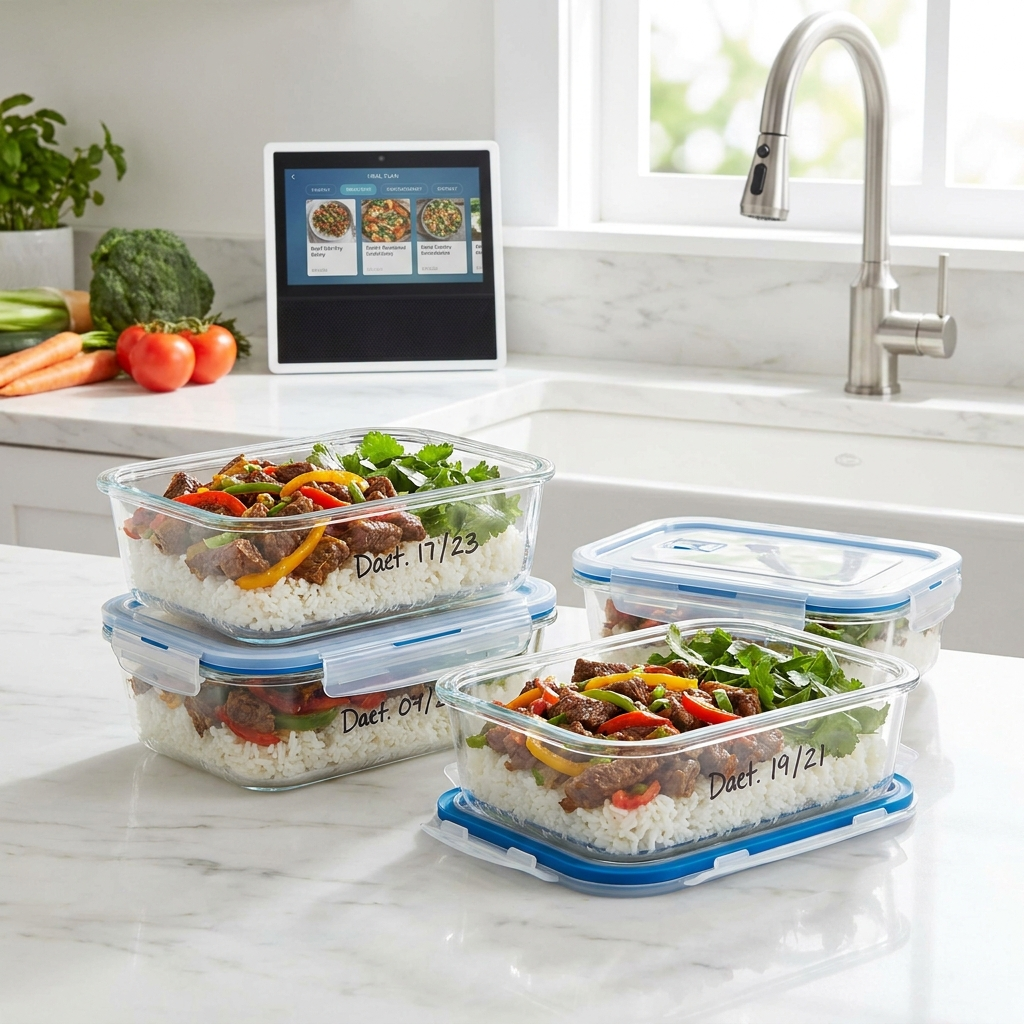
Make this beef stir fry recipe work even harder with proper storage techniques.
Refrigerator Storage (3-4 days): Cool stir-fry to room temperature within 2 hours. Store in airtight glass containers, keeping rice separate if meal prepping. The beef and vegetables can be stored together as they reheat at similar rates. Label containers with dates for food safety tracking.
Freezer Storage (up to 3 months): While freezing changes vegetable texture slightly (they become softer), this beef stir fry recipe still tastes excellent after freezing. Portion into individual servings, remove excess air from freezer bags, and freeze flat for easy stacking. Thaw overnight in the refrigerator before reheating.
Best Reheating Method: Never microwave if you want to maintain texture. Instead, heat 1 tablespoon oil in your wok or cast iron skillet over high heat. Add the stir-fry and toss constantly for 2-3 minutes until heated through (165°F internal temperature). Add 2 tablespoons water if it seems dry – the steam helps reheat while maintaining moisture.
Alternative Reheating: For oven reheating, spread stir-fry on a baking sheet and reheat at 375°F for 10-12 minutes, stirring halfway through. While not as crispy as the skillet method, it works well for larger portions.
Conclusion
This beef stir fry recipe delivers everything busy weeknights demand: restaurant-quality flavor, nutritional balance, and timing that respects your hectic schedule. From velveting beef for guaranteed tenderness to mastering high heat cooking techniques that create authentic wok hey, you now possess the knowledge that separates amateur stir-fries from professional results.
The beauty of this beef stir fry recipe lies in its flexibility – adapt vegetables to seasonal availability, adjust heat levels to family preferences, and scale quantities for meal prep friendly batch cooking. Whether you’re making a simple 15-minute beef stir fry on Monday or an elaborate one-pan beef and broccoli feast on Sunday, the core techniques remain constant.
Ready to transform your weeknight dinners? Start with this beef stir fry recipe tonight and discover why it’ll become your most-requested easy weeknight dinner idea. Share your variations in the comments below – did you try different vegetables? Experiment with the sauce? We’d love to hear your innovations! Subscribe to our blog for more Asian fusion recipes and takeout-at-home techniques that make weeknight cooking exciting instead of exhausting. Your journey to stir-fry mastery starts now!
FAQs
Q: Can I use chicken instead of beef in this stir fry recipe? A: Absolutely! Chicken breast or thigh works beautifully with the same velveting technique used in this beef stir fry recipe. Slice chicken into thin strips, velvet identically, and reduce cooking time slightly (chicken cooks faster than beef). The sauce and method remain the same.
Q: How do I achieve restaurant-style “wok hey” flavor at home? A: While home stoves can’t match commercial wok burners, this beef stir fry recipe compensates through maximum heat, cooking in small batches, and ensuring your wok or cast iron skillet is smoking hot before adding ingredients. The slight char and smoky aroma come from proper searing, not stirring too frequently.
Q: What’s the best beef cut for stir fry on a budget? A: Top round or sirloin tips offer the best value for this beef stir fry recipe. While slightly less tender than flank steak, proper slicing against the grain and thorough velveting (30 minutes minimum) produce excellent results at half the cost. Avoid stew meat – the cuts are wrong for quick high heat cooking.
Q: Why does my stir fry turn out watery? A: Watery stir-fries result from: wet vegetables (always dry thoroughly), overcrowding the pan (cook in batches), insufficient heat (use maximum burner setting), or adding sauce too early. This beef stir fry recipe’s timing prevents all these issues – sauce goes in only during the final 45 seconds.
Q: Can I make this beef stir fry recipe ahead for meal prep? A: Yes! This is incredibly meal prep friendly. Velvet beef and chop vegetables up to 24 hours ahead, storing separately. Mix your sauce and refrigerate. On cooking day, you’ll need only 7 minutes of active cooking time. Cooked stir-fry stores 3-4 days refrigerated or 3 months frozen.
Q: How do I slice beef against the grain correctly? A: Look for parallel lines (the grain) running through your flank steak. These are muscle fibers. Place the meat so these lines run horizontally (left to right). Now slice vertically (top to bottom), cutting perpendicular to those lines. Each slice should show short fiber ends, creating tender beef for stir fry instead of chewy strings.
Did You Try Our Recipe?
There are no reviews yet. Be the first one to write one.