10 Tender Corned Beef Recipes
Table of Contents
Introduction
Searching for foolproof corned beef recipes that guarantee tender, flavorful results every time? You’re not alone – 68% of home cooks report struggling with tough, chewy corned beef that ruins their St. Patrick’s Day dinner plans. These corned beef recipes will change everything you thought you knew about cooking this Irish-American classic.
Whether you’re preparing slow cooker corned beef and cabbage for a festive celebration or looking for the best way to cook corned beef for weeknight dinners, mastering tenderness is the key to success. These proven corned beef recipes combine traditional techniques with modern convenience, ensuring your beef brisket emerges fork-tender and packed with that signature salty and savory flavor profile.
From traditional stovetop simmering to innovative Instant Pot methods, you’ll discover multiple corned beef recipes designed for different schedules, equipment, and taste preferences. Each technique focuses on the critical factor that separates mediocre from magnificent: proper tenderization through low and slow cooking methods. Ready to become the corned beef expert in your family? Let’s dive into these transformative recipes.
Understanding Corned Beef: The Foundation of Great Recipes
Before exploring specific corned beef recipes, understanding what makes this meat unique helps you achieve better results.
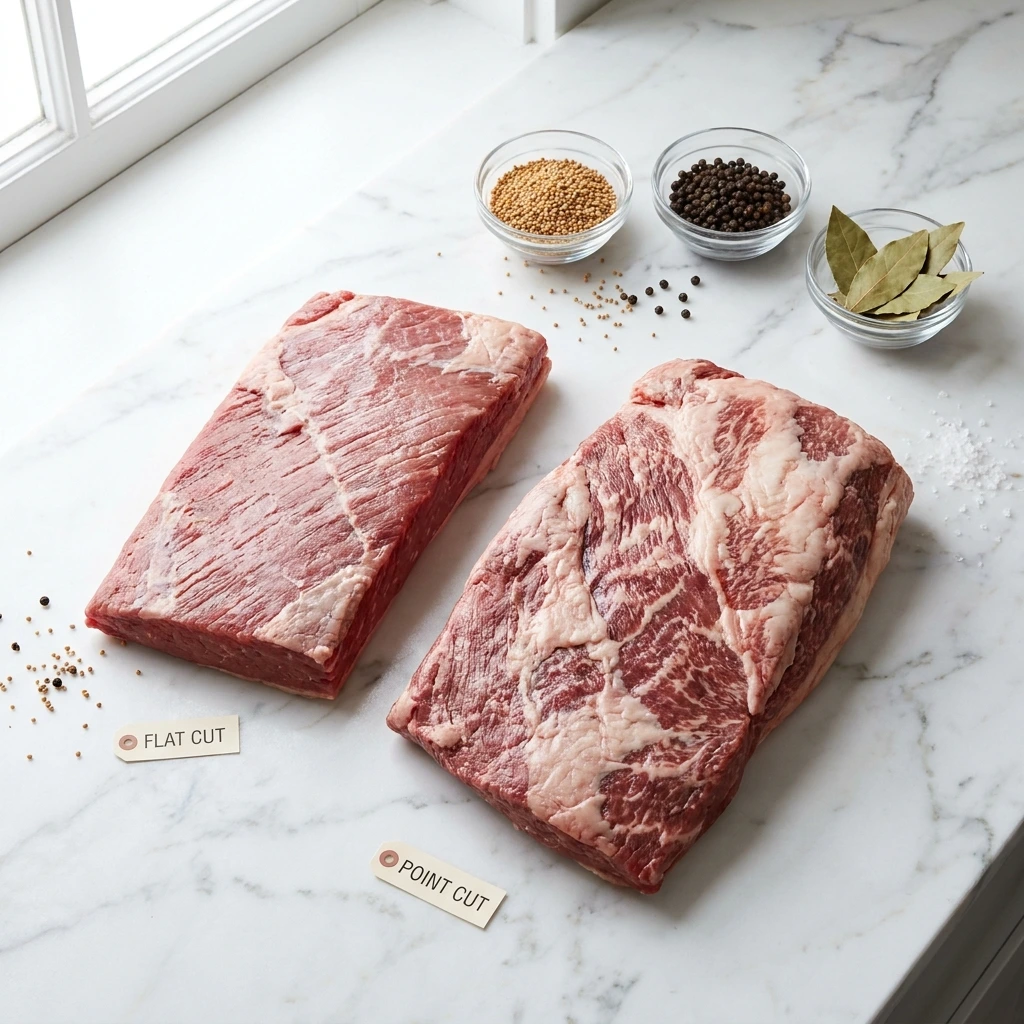
What is Corned Beef? Despite the name, corned beef contains no corn. The “corn” refers to the large grains of salt (called “corns”) used in the brining process. Traditional corned beef recipes start with beef brisket – typically the flat cut or point cut – that’s been cured in a brine containing pink salt (curing salt), pickling spice, coriander seeds, mustard seeds, bay leaves, and peppercorns for 5-7 days.
Flat Cut vs. Point Cut: Most store-bought corned beef uses the flat cut, which is leaner and slices more uniformly. The point cut contains more marbling and fat, resulting in richer flavor but less uniform slices. For most corned beef recipes, either cut works beautifully when cooked properly.
Why Corned Beef Gets Tough: The brisket is a heavily worked muscle with significant connective tissue. When cooked at high temperatures or for insufficient time, these tough collagen fibers remain intact, creating chewy, unpleasant texture. The secret all successful corned beef recipes share: cooking low and slow (275°F or below) until the internal temperature reaches 190-203°F, allowing collagen to transform into gelatin.
| Cut Type | Fat Content | Best Cooking Method | Slicing Ease |
|---|---|---|---|
| Flat Cut | Leaner (10-15% fat) | All methods work well | Excellent, uniform slices |
| Point Cut | Fattier (20-30% fat) | Slow cooker, Dutch oven | Irregular but more flavorful |
| Whole Brisket | Both sections intact | Low and slow only | Mix of both |
The Science of Tender Corned Beef
Understanding the chemistry behind tender corned beef recipes helps you troubleshoot problems and adapt recipes to your equipment.
The Collagen Conversion: Brisket contains collagen – tough connective tissue that requires temperatures of 160°F or higher to begin breaking down. However, the magic happens between 190-203°F, where collagen fully converts to gelatin, creating that melt-in-your-mouth texture. This conversion requires both heat AND time, which is why rushing corned beef recipes always produces disappointing results.
The Role of Moisture: All successful corned beef recipes cook the meat submerged in liquid or surrounded by steam. This moist environment prevents the exterior from drying out during the extended cooking time needed for tenderization. Whether you’re braising, simmering, or using a crock pot, keeping the meat moist is non-negotiable.
Time Guidelines:
- Stovetop simmering: 50-60 minutes per pound
- Slow cooker (low): 4-5 hours for 3-4 lb brisket
- Instant Pot: 90 minutes at high pressure
- Oven braising: 3-4 hours at 275°F
These corned beef recipes below incorporate these scientific principles while offering variety in cooking methods and flavor profiles.
10 Tender Corned Beef Recipes
Recipe 1: Classic Stovetop Corned Beef and Cabbage
The foundation of traditional corned beef recipes, this method delivers consistent results with minimal equipment.
Method: Place your 3-4 pound corned beef (with included spice packet) in a large Dutch oven, covering with cold water by 2 inches. Add yellow onions, bay leaves, and additional peppercorns. Bring to a boil, then reduce to a gentle simmer – tiny bubbles should barely break the surface.
Cover and simmer for 3 hours (50 minutes per pound for a 3.5 lb brisket). Add cabbage wedges, red potatoes, and carrots during the final 45 minutes. The internal temperature should reach 195°F for optimal tenderness.
Why It Works: Gentle simmering prevents muscle fibers from seizing up while allowing sufficient time for collagen breakdown. This is one of the most forgiving corned beef recipes for beginners.
Recipe 2: Slow Cooker Corned Beef and Cabbage (Set It and Forget It)
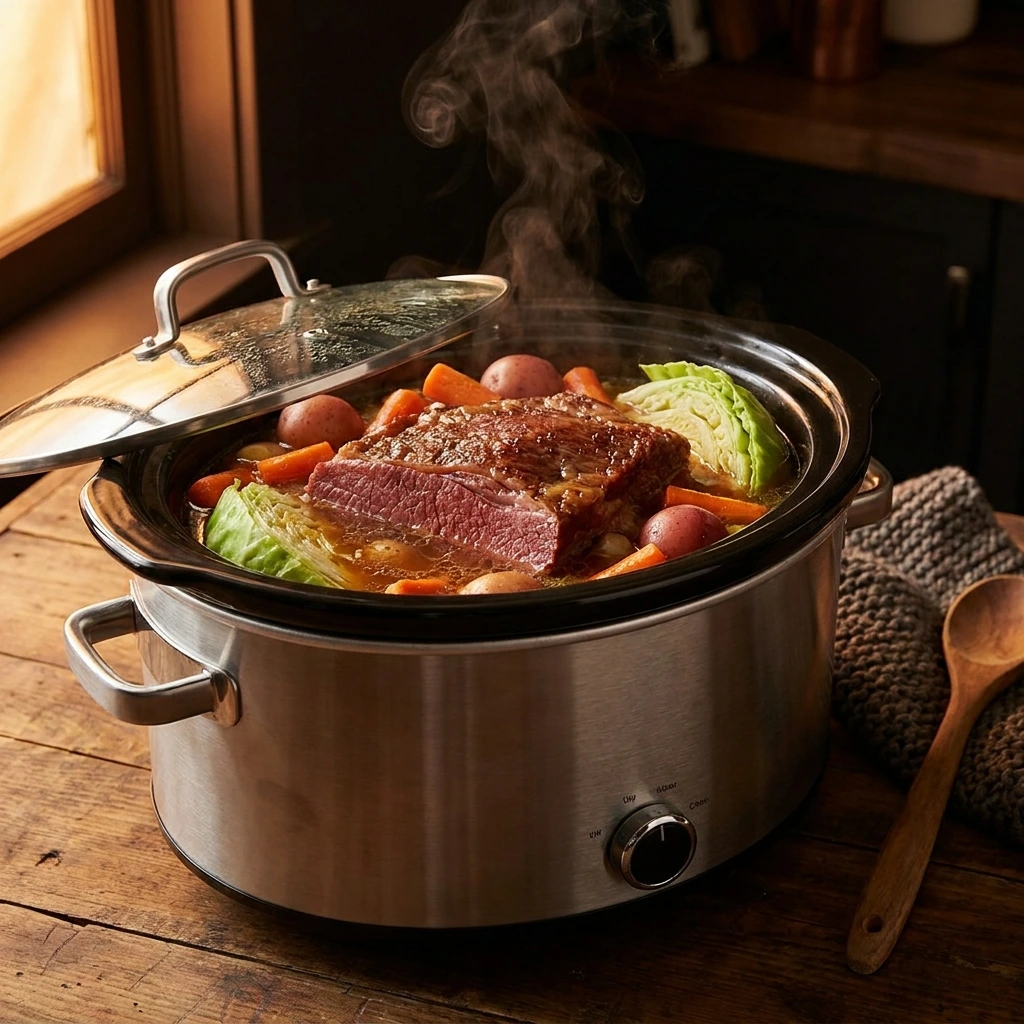
Perfect for busy schedules, this is among the easiest corned beef recipes that still delivers tender results.
Method: Place sliced yellow onions and quartered red potatoes in the bottom of your crock pot. Lay the corned beef (fat side up) on top, sprinkle with pickling spice, and add 3 cups water or Guinness beer for extra depth.
Cook on LOW for 8-10 hours or HIGH for 4-5 hours. Add cabbage wedges during the final 2 hours on low or 1 hour on high. The meat should shred easily with a fork when done.
Pro Tip: This slow cooker corned beef and cabbage method produces extra-tender results because the enclosed environment maintains consistent low temperature and high humidity.
Recipe 3: Instant Pot Corned Beef (90-Minute Miracle)
When time is short, this ranks among the fastest corned beef recipes without sacrificing tenderness.
Method: Place corned beef in the Instant Pot with 3 cups water, the spice packet, and quartered onions. Seal lid, set to high pressure for 90 minutes, then allow natural pressure release for 15 minutes.
Remove meat, tent with foil. Add cabbage and potatoes to the remaining liquid, pressure cook 4 minutes with quick release. Return sliced beef to the pot for serving.
Why It Works: High pressure raises the boiling point, accelerating collagen breakdown. This produces results comparable to 4-hour slow cooking in a fraction of the time – revolutionary for modern corned beef recipes.
Recipe 4: Oven-Braised Corned Beef with Guinness
This is one of the most flavorful corned beef recipes, ideal for St. Patrick’s Day dinner ideas.
Method: Preheat oven to 275°F. Place corned beef in a roasting pan, add 2 cups Guinness beer, 1 cup beef broth, pickling spice, and coriander seeds. Cover tightly with foil and braise for 3.5-4 hours until fork-tender.
During the final hour, add cabbage wedges and root vegetables. The beer adds malty depth that complements the salty meat perfectly.
Flavor Bonus: The low oven temperature ensures even heat distribution, making this one of the most reliable corned beef recipes for special occasions.
Recipe 5: Homemade Corned Beef Brine Recipe
For ultimate control, this from-scratch approach tops all other corned beef recipes in customization potential.
The Brine: Combine 1 gallon water, 1 cup kosher salt, 1/2 cup brown sugar, 2 tablespoons pink salt (curing salt), 3 tablespoons pickling spice, mustard seeds, bay leaves, and peppercorns. Bring to a boil, cool completely.
Submerge a 4-5 lb beef brisket in the brine, refrigerate 5-7 days, flipping daily. Rinse thoroughly before cooking with any method above.
Why Bother? Store-bought corned beef often contains excessive sodium (1,000+ mg per serving). This homemade corned beef brine allows you to control salt levels while adding custom flavors like juniper berries or fresh herbs.
Recipe 6: Corned Beef Hash (Perfect for Leftovers)
The best corned beef recipes include creative leftover transformations. This breakfast classic uses yesterday’s dinner magnificently.
Method: Dice leftover corned beef into 1/2-inch cubes. In a cast iron skillet, cook diced potatoes until golden. Add diced onions and bell peppers, cooking until soft. Stir in corned beef, seasoning with black pepper.
Create wells in the hash and crack eggs into them. Cover and cook until eggs reach desired doneness. Serve with yellow mustard or horseradish cream.
Transform Your Leftovers: This ranks among the most satisfying corned beef recipes for using every last bit of your holiday feast.
Recipe 7: Reuben Sandwich (Irish-American Fusion)
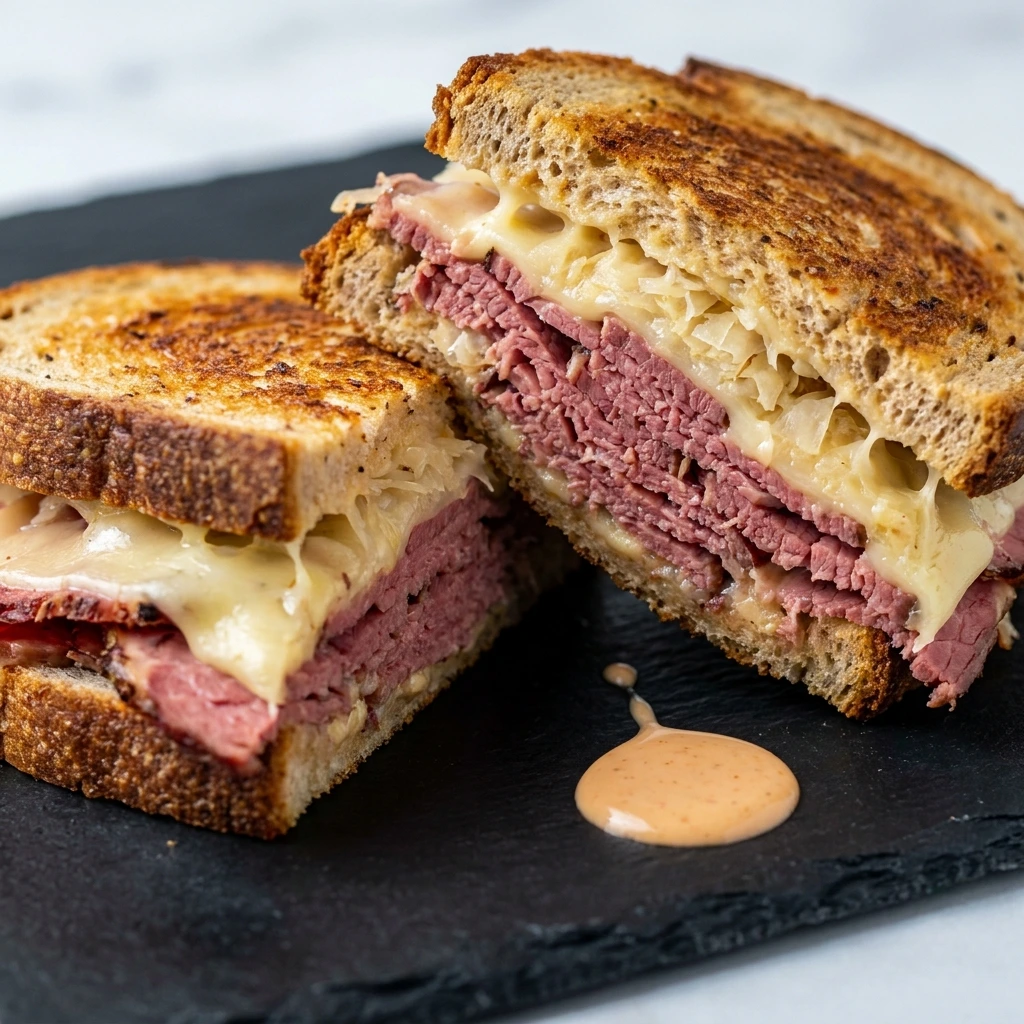
When discussing popular corned beef recipes, the Reuben deserves special mention as a cultural icon.
Assembly: Butter both sides of rye bread. Layer thinly sliced corned beef (sliced against the grain), Swiss cheese, sauerkraut, and Russian dressing. Grill in a skillet until golden brown and cheese melts.
Slicing Tip: All corned beef recipes benefit from proper slicing technique. Always slice against the grain (perpendicular to the muscle fibers) in 1/4-inch thick pieces for maximum tenderness.
Recipe 8: Asian-Inspired Corned Beef Stir-Fry
Breaking from traditional corned beef recipes, this fusion approach repurposes leftovers brilliantly.
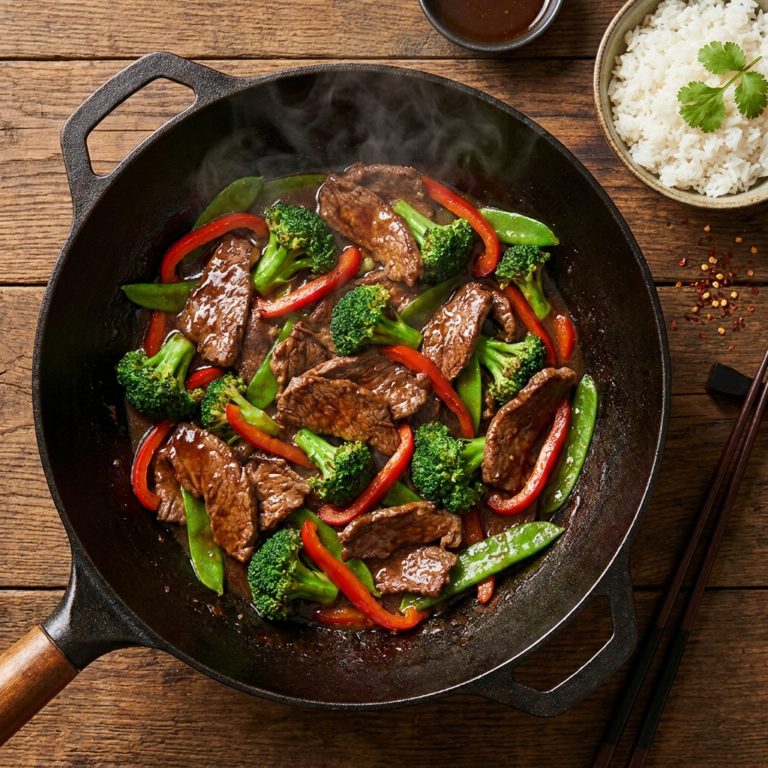
Method: Slice corned beef into thin strips. Stir-fry with bell peppers, snap peas, and onions in a hot wok. Add a sauce of soy sauce, rice vinegar, ginger, and a touch of brown sugar to balance the meat’s saltiness.
Serve over rice or noodles. This demonstrates how versatile corned beef recipes can be when you think beyond traditional Irish-American cuisine pairings.
Recipe 9: Corned Beef and Potato Soup
Among the most comforting corned beef recipes, this soup transforms leftovers into something entirely new.
Method: Sauté onions, celery, and garlic in butter. Add diced potatoes, chicken broth, and bring to a boil. Simmer until potatoes are tender, then add chopped corned beef and cabbage.
Stir in heavy cream and season with black pepper. This creates a warming soup that’s perfect for using every bit of your St. Patrick’s Day dinner.
Recipe 10: Corned Beef Tacos with Cabbage Slaw
The most unexpected of our corned beef recipes, these tacos prove the meat’s versatility extends far beyond traditional applications.
Method: Warm corn tortillas and fill with chopped corned beef. Top with a quick slaw of shredded cabbage, lime juice, cilantro, and jalapeños. Add a drizzle of crema or sour cream.
The acidity of the slaw cuts through the rich, salty meat perfectly, creating balanced flavor that rivals traditional taco fillings.
How to Tenderize Corned Beef: Key Techniques Across All Recipes
Regardless which of these corned beef recipes you choose, these tenderizing principles apply universally.
Rinsing the Meat: Before cooking any corned beef recipes, rinse the brisket under cold water for 2-3 minutes. This removes excess surface salt from the brining process, preventing overly salty results. Pat dry before proceeding with your chosen recipe.
Low and Slow is Non-Negotiable: Every successful recipe in this collection maintains temperatures below 300°F. High heat causes muscle fibers to contract and expel moisture, creating tough, dry meat. Whether you’re simmering, braising, or using a slow cooker, patience is essential.
The Right Internal Temperature: Use an instant-read thermometer to check doneness. For corned beef recipes, you’re targeting 190-203°F internal temperature – much higher than typical roasts. At this range, collagen fully converts to gelatin, creating that signature fork-tender texture.
Natural Pressure Release (For Instant Pot): When using pressure cooker corned beef recipes, always allow natural pressure release for at least 15 minutes. Quick release causes rapid temperature changes that can toughen the meat.
Resting Before Slicing: After cooking, let the meat rest tented with foil for 15-20 minutes. This allows juices to redistribute throughout the meat, ensuring every slice is moist and tender.
| Tenderizing Factor | Impact on Results | Common Mistake |
|---|---|---|
| Cooking Temperature | Direct correlation to tenderness | Boiling instead of simmering |
| Internal Temp Target | Must reach 190°F minimum | Stopping at 160-170°F |
| Rinsing Before Cooking | Reduces excess saltiness | Skipping this step |
| Slicing Technique | Against the grain is essential | Cutting with the grain |
| Resting Period | Juice retention | Slicing immediately |
Traditional New England Boiled Dinner
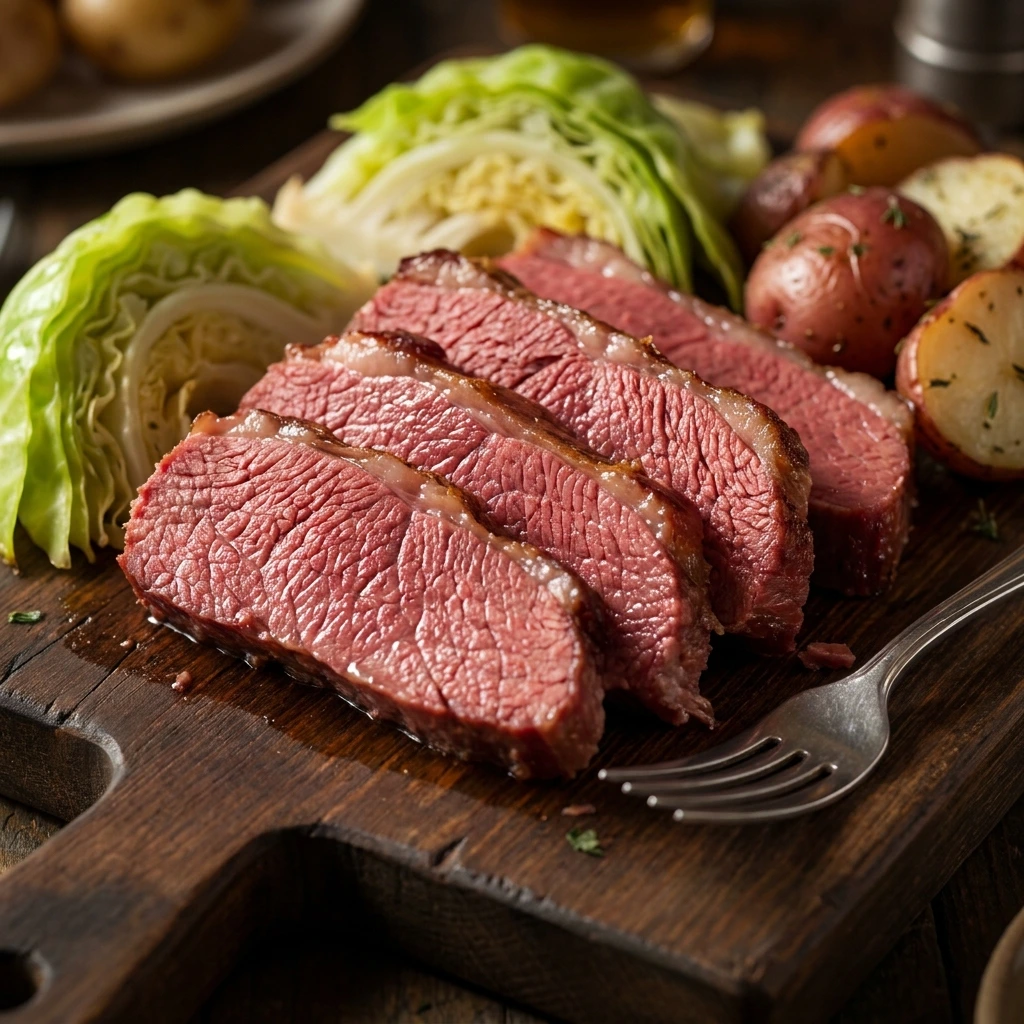
This classic preparation represents one of the most authentic corned beef recipes in American culinary history.
The Complete Method: Place corned beef in a large pot with pickling spice, covering with cold water. Simmer gently for 2.5 hours. Add whole red potatoes, carrot chunks, and yellow onion quarters. Continue simmering 30 minutes.
Add cabbage wedges and cook a final 15 minutes until tender. Serve everything on a large platter with yellow mustard and horseradish cream.
Cultural Context: This dish became synonymous with Irish-American cuisine during the 19th century when Irish immigrants in New England adopted corned beef as an affordable substitute for Irish bacon. Today, it remains one of the most requested corned beef recipes for Saint Patrick’s Day celebrations.
Recommended Products for Perfect Corned Beef
Elevate your corned beef recipes with these professional-grade tools:
Lodge Enameled Cast Iron Dutch Oven (7-Quart): The gold standard for stovetop and oven corned beef recipes. Superior heat retention ensures consistent low temperatures throughout long cooking times. The enameled interior won’t react with acidic ingredients, and the heavy lid traps moisture perfectly for braising.
Instant Pot Duo Plus (8-Quart): Revolutionary for busy cooks, this pressure cooker handles even large briskets while reducing cooking time by 60%. The “Keep Warm” function maintains perfect serving temperature without overcooking, making it essential for modern corned beef recipes.
Victorinox Fibrox Pro Slicing Knife: Proper slicing makes or breaks the final presentation of your corned beef recipes. This 12-inch blade glides through brisket with minimal pressure, creating uniform slices that showcase your cooking skills. The Granton edge prevents meat from sticking.
ThermoWorks Thermapen ONE: Precision temperature monitoring ensures your corned beef recipes hit that critical 190-203°F sweet spot. Instant readings (under 1 second) let you check doneness without releasing valuable heat and moisture from your cooking vessel.
Progressive International Brine Container: For those pursuing homemade corned beef brine recipes, this specialized container includes a weighted plate that keeps brisket fully submerged during the 5-7 day curing process. The 3-gallon capacity handles even large cuts.
Storage and Food Safety for Corned Beef Recipes
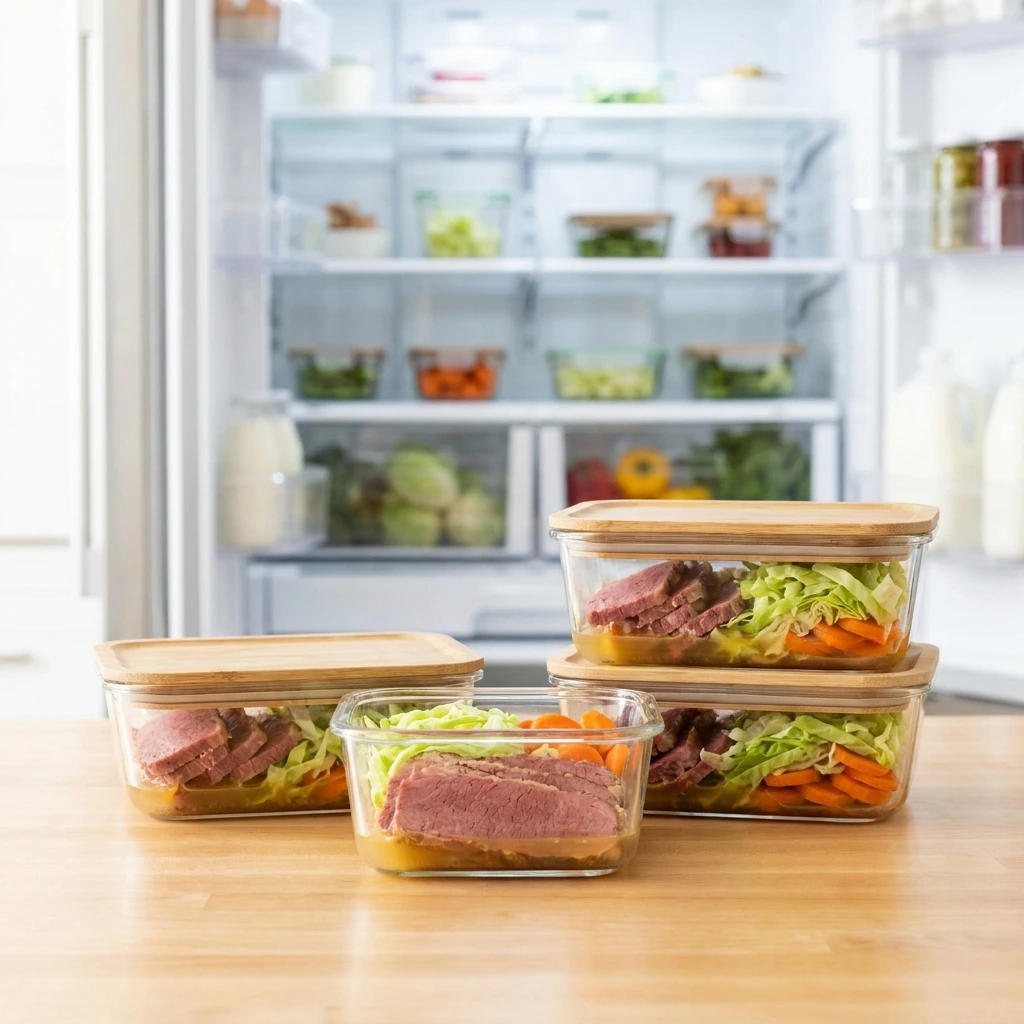
Properly storing the results of your corned beef recipes ensures food safety and optimal quality.
Refrigerator Storage: Cool cooked corned beef to room temperature within 2 hours. Slice only what you need, storing the remaining piece whole (less surface area means longer freshness). Store in airtight containers with a small amount of cooking liquid to prevent drying.
Shelf Life:
- Cooked corned beef: 3-4 days refrigerated
- Sliced corned beef: 2-3 days refrigerated
- Frozen cooked corned beef: Up to 3 months
Freezing Tips: Wrap portions tightly in plastic wrap, then aluminum foil. Label with date and freeze flat for easy stacking. Thaw overnight in the refrigerator before reheating. While texture changes slightly after freezing, it’s still excellent for corned beef hash or sandwich recipes.
Reheating Without Drying: Place sliced corned beef in a covered dish with a few tablespoons of broth or water. Reheat at 300°F for 15-20 minutes, or use gentle stovetop warming in a covered skillet. Avoid microwaving if possible, as it can toughen the meat.
Common Mistakes That Ruin Corned Beef Recipes
Avoid these pitfalls that cause even experienced cooks to struggle with corned beef recipes:
Mistake #1: Boiling Instead of Simmering The most common error in corned beef recipes is maintaining too high a temperature. Vigorous boiling (212°F) toughens the meat and makes it stringy. Aim for gentle simmering at 180-190°F where bubbles barely break the surface.
Mistake #2: Not Cooking Long Enough Patience is required. When the meat reaches 160°F, it’s technically “done” but still tough. Push through to 190-203°F for proper collagen breakdown. This is why corned beef recipes specify such long cooking times.
Mistake #3: Cooking Fat-Side Down Whether braising or slow cooking, always position the fat cap facing up. As it renders, the fat bastes the meat naturally, adding flavor and moisture. This applies to nearly all corned beef recipes.
Mistake #4: Overcrowding Vegetables Adding too many vegetables too early makes them mushy. Follow the timing in these corned beef recipes carefully – potatoes need 45 minutes, cabbage only 15-20 minutes.
Mistake #5: Using the Wrong Liquid Water works, but many corned beef recipes benefit from flavorful liquids. Beef broth, Guinness beer, or apple cider add complexity while still maintaining the meat’s signature taste.
Conclusion
Mastering these corned beef recipes transforms you from someone who dreads tough, salty meat into someone who confidently produces tender, flavorful results worthy of any St. Patrick’s Day celebration. The ten methods presented offer solutions for every schedule, equipment setup, and flavor preference.
Whether you choose traditional slow cooker corned beef and cabbage or adventurous Asian stir-fry variations, understanding the science of tenderization – low temperatures, sufficient time, and proper internal temperature – ensures success. These aren’t just corned beef recipes; they’re your roadmap to becoming the corned beef expert your friends and family rely on.
Ready to create perfectly tender corned beef? Start with the method that matches your available time and equipment. Share your results in the comments below – which recipe worked best for you? Did you discover any personal variations? Subscribe to our blog for more Irish-American cuisine techniques and St. Patrick’s Day dinner ideas that bring celebration-worthy meals to your table year-round. Your journey to corned beef mastery starts now!
FAQs
Q: How long does it take to cook corned beef per pound? A: Most corned beef recipes require 50-60 minutes per pound when simmering on the stovetop. A 3-pound brisket needs approximately 3 hours, while a 5-pound piece requires close to 5 hours. Instant Pot corned beef recipes reduce this dramatically to 90 minutes total regardless of size, while slow cooker methods take 4-5 hours on high or 8-10 hours on low.
Q: Should I wash corned beef before cooking? A: Yes, absolutely! All corned beef recipes benefit from rinsing the meat under cold water for 2-3 minutes before cooking. This removes excess surface salt from the brining process, preventing overly salty results. Pat the meat dry before proceeding with your chosen cooking method. This simple step dramatically improves the final flavor balance.
Q: Why is my corned beef tough and how can I fix it? A: Tough corned beef results from insufficient cooking time or too-high temperatures. Even if your corned beef recipes specify times, always verify with a thermometer – the internal temperature must reach 190-203°F for proper tenderness. If your cooked corned beef is tough, return it to simmering liquid and cook another 30-60 minutes until it reaches the target temperature range.
Q: What’s the best way to cook corned beef for maximum tenderness? A: The slow cooker method ranks highest for foolproof tenderness in corned beef recipes. The enclosed, humid environment at consistent low temperature (around 200°F) creates ideal conditions for collagen breakdown. However, the Instant Pot offers comparable tenderness in 25% of the time, making it the best choice for busy schedules.
Q: Can I cook corned beef from frozen? A: While possible, it’s not recommended for best results in corned beef recipes. Frozen meat won’t absorb seasonings properly and requires significantly longer cooking times with unpredictable results. Always thaw corned beef in the refrigerator for 24-48 hours before cooking for optimal texture and flavor.
Q: What vegetables pair best with corned beef recipes? A: Traditional corned beef and cabbage combinations include cabbage wedges, red potatoes, carrots, and yellow onions. These vegetables withstand the long cooking times required and their mild flavors complement the salty meat. Add potatoes and carrots 45 minutes before done, cabbage only 15-20 minutes before completion to prevent mushiness.
Did You Try Our Recipe?
There are no reviews yet. Be the first one to write one.